Fermentation is the step that turns green kratom into red. That much is covered elsewhere on this site. What this article is about is time: what happens inside the sealed bag as days pass, why a producer stops at three days or lets it run to seven, and what the word “aged” actually means when it appears on a label.
The clearest comparison is tea. Green tea, oolong and black tea all come from the same plant, Camellia sinensis. The difference is oxidation. Green tea is heated quickly after picking to stop it. Oolong is allowed to oxidise partially. Black tea is allowed to oxidise fully, turning the leaf from green to copper to dark brown.
Kratom works on the same principle. A leaf dried immediately stays green. A leaf sealed in a bag and left in the sun oxidises and ferments, shifting through amber and copper toward a deep reddish brown. The producer controls the outcome by controlling how long the process runs.
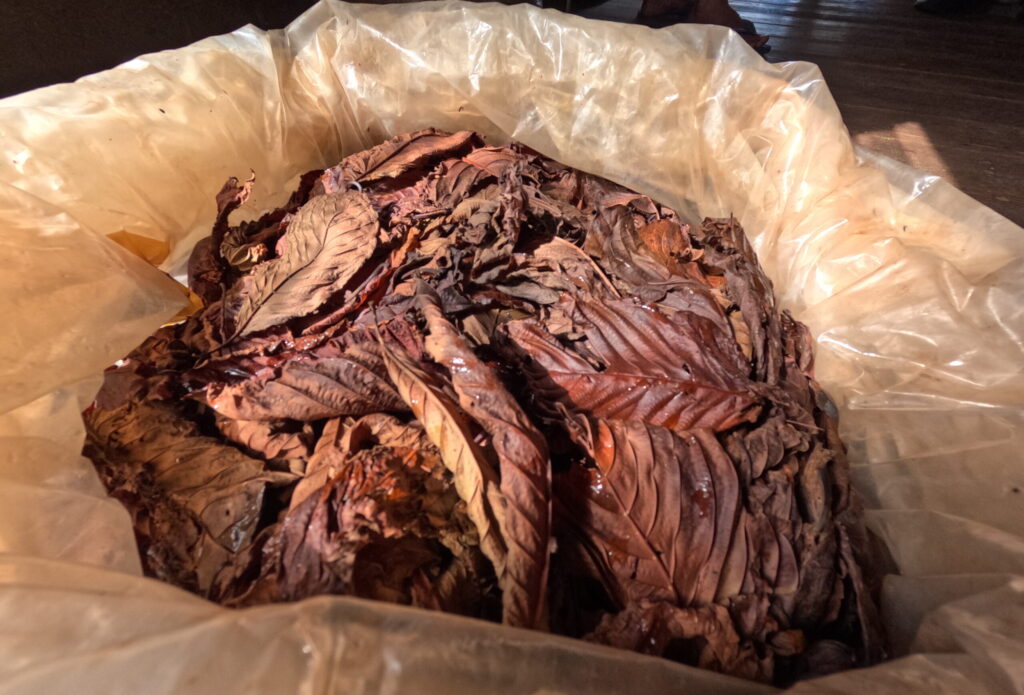
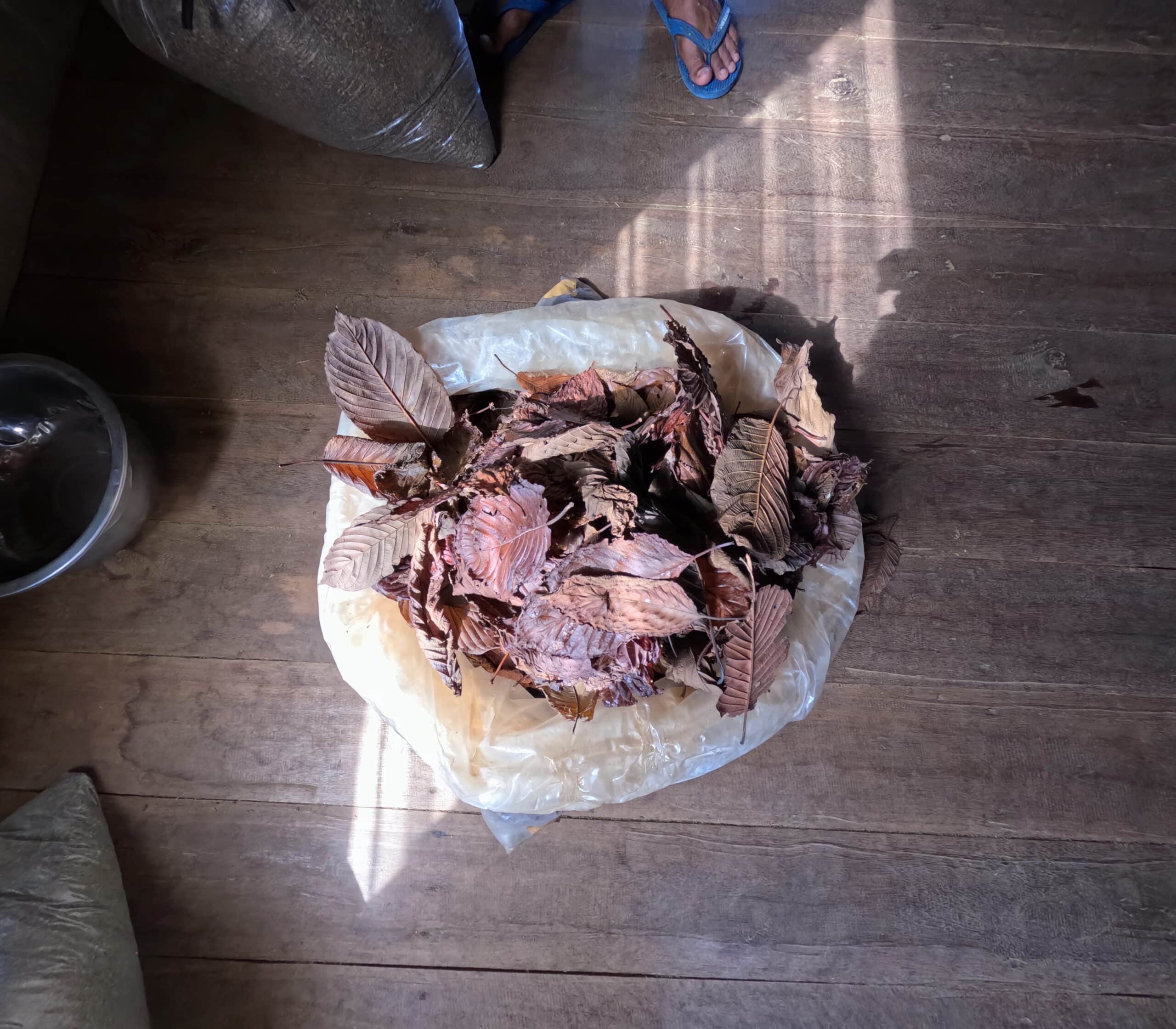
Fresh or partially dried leaves are sealed in heavy plastic and placed in direct sunlight. Heat builds inside. Moisture from the leaves cannot escape. Naturally occurring microbes on the leaf surface begin to multiply, and the combination of heat, moisture and microbial activity starts breaking down the plant’s cell walls.
Two things happen in parallel. The leaf oxidises, which is what changes the colour. And the microbial activity alters the leaf’s chemical composition, converting some compounds into others. By the time the bag is opened, the material inside is chemically distinct from what went in.
The variable that matters is duration.
A short fermentation of two to four days produces a lighter red with a brownish tone and an aroma often compared to ripe banana or caramel. The transformation is real but partial.
A medium fermentation of four to six days deepens the colour and intensifies the aroma. This is where most red kratom on the market sits.
A long fermentation approaching a week produces the darkest colour, sometimes described as chocolate or mahogany, with a heavier, more pronounced smell. Some producers push beyond that, though the returns diminish and the risk of spoilage rises.
There is no timer. The producer judges by opening the bag, checking the colour and smell, and deciding whether to let it run another day. Getting that judgement right is the skill, and it takes years of repetition to develop.
In the wider market, “aged” or “fermented” as a label usually signals a longer process than standard red. Names like Bentuangie or Chocolate Borneo refer to extended fermentation, often with additional drying steps that push the colour further.
We do not carry products under those names. What we do carry is Super Red Bali, fermented for three to seven days in Djongkong depending on the batch and the weather, and Red Thai, processed the same way. Gold Bali sits between green and red, with a shorter fermentation followed by sun drying.
If you are comparing across vendors, “aged” is worth asking about. How many days. In what conditions. Whether the producer can describe it. A vendor who cannot answer is selling a word rather than a process.
Weather is the first constraint. Fermentation depends on sun and heat. A cloudy week means slower progress, and a producer may extend the bag time to compensate or accept a lighter result.
Batch character is the second. Leaves from different harvests behave differently in the bag. Older leaves with more structural material ferment differently from younger ones. The producer adjusts.
Market expectation is the third. Buyers who want a lighter red get a shorter process. Buyers who want the darkest possible result get a longer one. Both are legitimate, and neither is inherently better.
Fermentation is also where most microbial contamination in red kratom originates. The sealed bag that encourages transformation also encourages bacterial growth, and if the leaf was contaminated before sealing, that contamination multiplies. Poor hygiene at the fermentation stage shows up in lab results as elevated coliform or total plate counts.
This is why batch-specific microbial testing matters more for red kratom than for any other colour. A red that has not been tested for microbiology is a red you know nothing about.
The interest in aged and extended-fermentation kratom reflects a market that has moved past colour names and started asking about process. That is a healthy development. It puts pressure on vendors to know and describe what their producers do, rather than repeating strain names from a supplier’s price list.
For buyers, the practical question is not whether a product is labelled aged, but whether the vendor can tell you how it was made and show you a lab result for the batch.
For how the fermentation process compares to sun and shade drying, see Kratom Color Variation. For why red is not a separate strain, see Red Kratom Isn’t a Strain.

Explore our premium Kratom products, carefully selected for quality and purity.

Discover Everything You Need to Know About the Best Kratom in Canada.

You can reach us directly by email or through the contact form above.

Enjoy free shipping on all your orders, with no minimum purchase required.