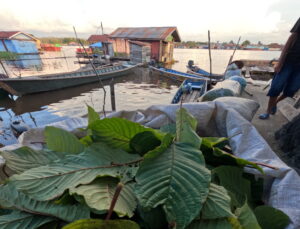
Kratom Varieties in Canada: A Botanical Guide to Visuals, Textures, and Aromas
Although kratom (Mitragyna speciosa) comes from a single plant species, different processing methods, harvest times, and drying techniques result in a range of powders known in the industry as varieties. In this guide, we explore the most widely recognized varieties, Green Malay, Super Green Maeng Da, Red Bali, White Borneo, Yellow Borneo, Red Thai, and more, through sensory and botanical descriptions.
Overview: How Kratom Varieties Are Defined
-
Leaf maturity at harvest (white = young; green = mid-stage; red = mature)
-
Drying method (shade versus sun; greenhouse)
-
Fermentation, especially for red-vein styles
-
Stem/vein removal and milling, typical of “super” variants
-
Regional origin, especially West Kalimantan villages (e.g. Jongkong, Kapuas Hulu)
Together, these elements influence color, scent, texture, and overall presentation, creating what we refer to as the major kratom varieties Canada offers.
Green Vein Varieties
1. Green Malay
Visual: Deep forest green to olive-green powder; matte finish.
Texture: Soft, medium-fine; slightly dry to the touch.
Aroma: Fresh vegetal scent with mild herbal undertones; faint earthy sweetness.
Ambiance: Evokes early morning sunlight filtered through leaves, calm, natural, grounded.
Botanical notes: Harvested at full leaf maturity without red maturing. Shade-dried slowly to preserve chlorophyll and leaf structure. No fermentation. Ideal for comparison, display, or research.
2. Super Green Maeng Da
Visual: Bright, uniform green with a sheen; very fine and consistent particle size.
Texture: Ultra-fine, silky; minimal fibrous content due to stem/vein removal.
Aroma: Clean, grassy scent with subtle vegetal intensity; no husk or dusty notes.
Ambiance: Like entering a greenhouse on a humid morning, refined, vibrant, precise.
Botanical notes: A “super” grade green: selected mature leaves, stem removed, shade-dried, fine milled. Transparently processed with batch traceability.
Red Vein Varieties
3. Red Bali – Super Strain
Visual: Rich reddish-brown to caramel-brown; uniformly dark powder.
Texture: Dense, fine; minimal grit thanks to processing.
Aroma: Warm and earthy; hints of ripened banana and sun-dried leaves.
Ambiance: Think late afternoon light on river clay, deep, stable, rooted.
Botanical notes: Fully mature leaves fermented in sealed conditions for several days, then shade-dried. Stem removed, finely milled. Originated from West Kalimantan families.
4. Red Thai
Visual: Rusty-red to light brown; slightly uneven tones.
Texture: Medium-fine with delicate structure; some fibre retained.
Aroma: Soft earth tones with subtle sweetness, faint woody accent.
Ambiance: Gentle dusk over a forest floor, soft, reflective, organic.
Botanical notes: Traditional fermentation and drying on mid-to-late stage leaves. Often includes partial stem retention. Less industrially refined, preserving rustic character.
White Vein Varieties
5. White Borneo
Visual: Pale green to beige-white fine powder.
Texture: Dry but powdery; slightly coarse naturally.
Aroma: Clean, crisp, faint hay or dried plant fibre notes.
Ambiance: Early morning dew on grass, bright, light, untouched.
Botanical notes: Young leaves harvested early, shade- or moderate sun-dried quickly. No fermentation. No stem removal. Represents purity of leaf alone.
6. White Maeng Da / White Thai
Visual: Off-white to pale green; smooth, uniform texture.
Texture: Fine and dry with occasional soft granules.
Aroma: Subtle crisp herbal and neutral wood undertones.
Ambiance: Mid-morning in a quiet orchard—light, minimalistic, structured.
Botanical notes: Hand-sorted young leaves, minimal vein/stem trimming, quick drying. Often greenhouse-processed for consistent drying.
Special Color Processing Varieties
7. Yellow Borneo
Visual: Golden-beige to amber tones; sun-kissed appearance.
Texture: Medium-fine; slightly drier than greens due to oxidation.
Aroma: Warm hay-like fragrance with subtle sun-cured notes.
Ambiance: Late afternoon sun across harvested fields—radiant, mellow, mellow.
Botanical notes: Leaves oxidized through extended daylight exposure (no fermentation). Slow natural moisture reduction yields warm hue and pleasant ripe hay aroma.
8. Gold Bali
Visual: Warm golden-brown to caramel; fine and rich in appearance.
Texture: Smooth, consistent; slightly heavier in mouth feel.
Aroma: Mildly sweet, hint of dried grass, faint earthy floral.
Ambiance: Golden hour over ripening crop—balanced, glowing, refined.
Botanical notes: Light fermentation followed by controlled sun drying. Central stem and vein often removed to refine texture. Carefully monitored for color and moisture levels.
Other Regional or Hybrid Styles
9. Green Hulu Kapuas / Red Hulu Kapuas
Visual & Texture: Similar to Green Malay or Red Bali depending on vein but often with slight bark flecks due to traditional minimal stem removal.
Aroma: Earthy with a hint of wood; forest-floor freshness.
Ambiance: Riverside plantations early in harvesting season—authentic, rooted, stable.
Botanical notes: Named for Hulu Kapuas river region. Each batch exhibits rustic character; respect to balanced drying practices.
10. Other “Super” Strains (e.g. Super White Maeng Da)
Visual: Ultra-fine, bright pale powder; virtually no vein fibers.
Texture: Exceptionally smooth.
Aroma: Neutral to softly herbal.
Ambiance: Clean laboratory-like clarity with botanical purpose.
Botanical notes: Subsets of white or green strains processed to “super” standards—stem removed, carefully dried, and milled with precision.
Summary Table of Kratom Varieties
|
Variety
|
Color Range
|
Texture
|
Aroma Notes
|
Sensory Ambiance
|
|
Green Malay
|
Deep green to olive
|
Medium-fine
|
Fresh vegetal, mild earthiness
|
Early-morning forest
|
|
Super Green Maeng Da
|
Bright green, uniform
|
Ultra-fine
|
Clean grassy, refined
|
Precision greenhouse
|
|
Red Bali – Super Strain
|
Reddish-brown
|
Fine, dense
|
Warm earthy, banana sweet
|
Late-afternoon stability
|
|
Red Thai
|
Rusty-red/brown
|
Medium-fine
|
Soft, woody earth tones
|
Forest dusk
|
|
White Borneo
|
Pale green/beige
|
Powdery, dry
|
Crisp hay notes
|
Morning orchard
|
|
White Maeng Da/Thai
|
Pale, uniform
|
Fine, dry
|
Light herbal-hay
|
Mid-day brightness
|
|
Yellow Borneo
|
Golden beige
|
Medium-fine
|
Sun-dried hay
|
Harvest field at sunset
|
|
Gold Bali
|
Golden caramel
|
Smooth, fine
|
Sweet, floral-hay blend
|
Golden-hour glow
|
|
Green/Red Hulu Kapuas
|
Green or red
|
Medium-fine
|
Earthy, river-side freshness
|
Riverside plantation
|
|
Super White or Green MD
|
Pale bright or vivid green
|
Ultra-fine
|
Subtle, pure vegetal
|
Minimalist botanical clarity
|
Botanical Context and Why It Matters
Even though kratom is botanically one species, these varieties offer meaningful differences in how the leaves look, feel, and smell. These differences come from:
-
Harvest strategy (timing and leaf selection)
-
Drying method (sun, shade, or greenhouse)
-
Post-harvest choices (fermentation, stem removal)
-
Regional influences (soil, water, climate, processing traditions)
Understanding these distinctions is key to identifying high-quality, transparent kratom—especially in Canada, where product identity and origin are essential.
Final Notes
At Kratom Online, we focus on offering kratom that reflects care, traceability, and respect for both the plant and the people behind it. Each variety in our catalog is defined by how it’s harvested, dried, and processed—not by claims or effects.
Our commitment is simple: transparent sourcing, clean processing, and full compliance with Canadian regulations. All products are offered as botanical specimens, with lab testing and origin details available for every batch.
When exploring kratom in Canada, trust in quality begins with clear information—and that’s exactly what we provide.