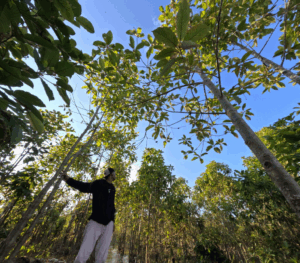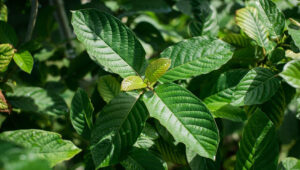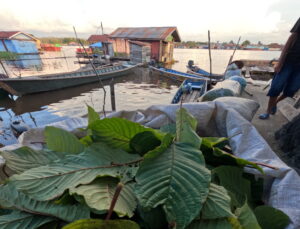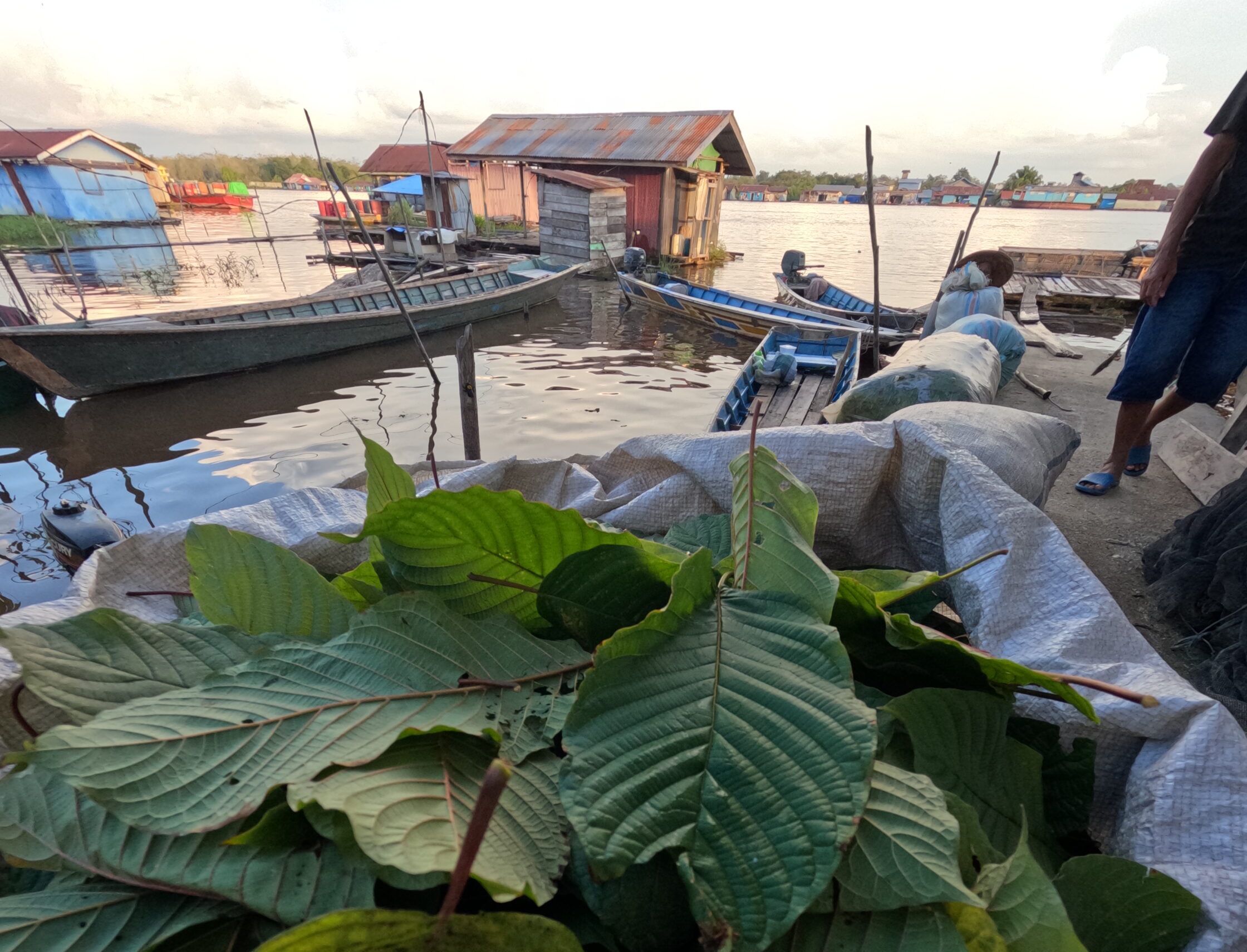
Kratom is a tropical tree that has been present for centuries in various regions of Southeast Asia, particularly Thailand, Indonesia, and Malaysia. In these countries, it is an integral part of the natural landscape and daily life. Its presence is often associated with agricultural, social, and cultural contexts.
With the rise of international trade and the spread of information, plants like kratom have left their original habitats to attract attention elsewhere in the world. This phenomenon is not unique: it is comparable to that of tea, coffee, turmeric, and ginseng, which have gradually established themselves in environments foreign to their original terroir.
In this context, kratom now finds itself at the center of a global dialogue on botanical diversity. Its spread outside Southeast Asia illustrates how certain plant species cross borders, driven by commercial, cultural, and academic exchanges.
In Canada, the topic of kratom is strictly regulated. Its mention in the media, in academic discussions, or within industries related to plants and botanical ingredients is always approached with caution.
This legal framework does not prevent kratom from being discussed in the broader context of cultural exchange and the globalization of natural resources. For those interested in botany, it represents above all a theme of research, dialogue, and discovery. It is not approached as a product intended for direct use, but as a plant that testifies to the interconnection between local traditions and international visibility.
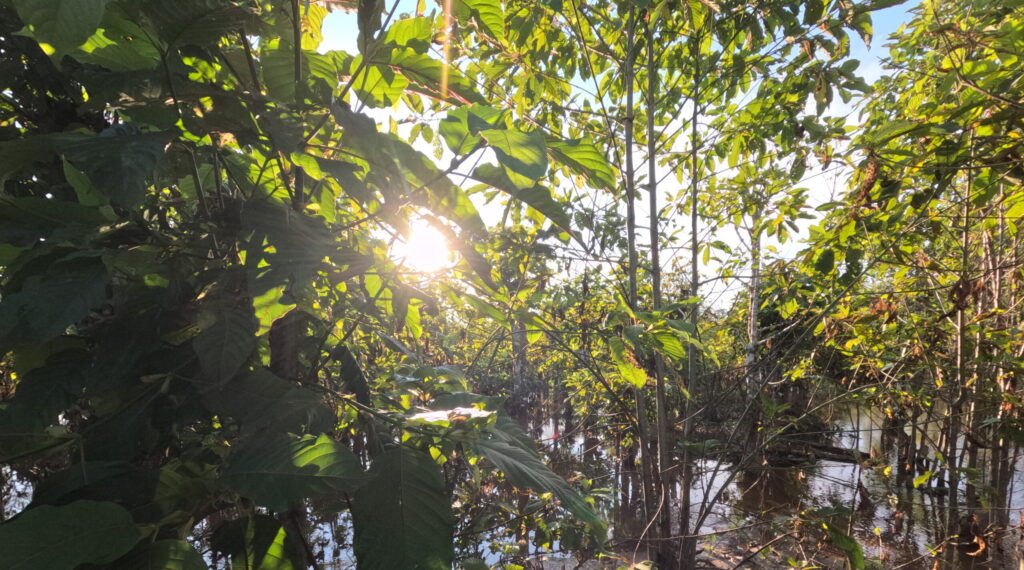
One of the major concerns surrounding kratom is sustainability. Like many tropical plants exported globally, it raises questions about how it is grown, harvested, and distributed. These issues concern both local agricultural practices and the environmental impact of international demand.
In the Canadian debate, as in other countries, these considerations highlight universal themes: respect for ecosystems, responsible forest management, working conditions in producing regions, and fair trade. Approaching kratom from this perspective means placing it within a broader reflection on the social and environmental responsibility associated with the use of natural resources.
The case of kratom illustrates how a plant rooted in regional practices can gain global visibility while retaining its traditional dimension. This dual status—both a heritage resource and an object of contemporary diffusion—shows that plants can be perceived differently depending on cultural and geographical contexts.
Kratom thus joins other examples of natural resources that, although ancient in their region of origin, have become objects of study, trade, or curiosity on an international scale. This dynamic underscores the role of plants as vectors of dialogue between cultures and as revealing elements of the history of global exchange.
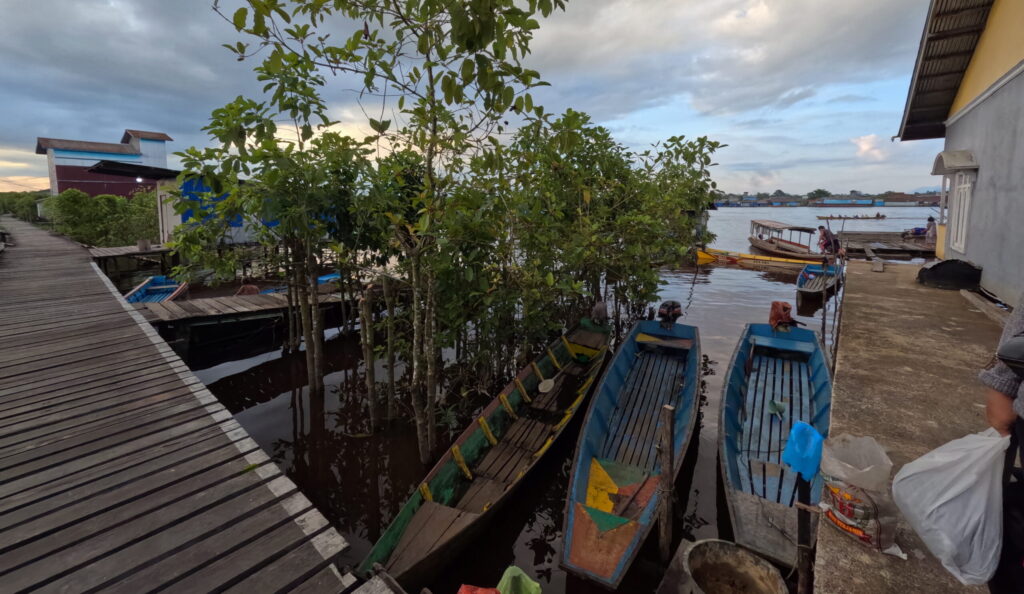
In a country like Canada, the approach to kratom must be based on clear, documented, and regulatory-compliant information. Emphasis is placed on education, academic research, and the dissemination of reliable data to avoid misunderstandings or misrepresentations.
By highlighting its cultural context, geographical origins, and role in international trade, it is possible to present kratom as an interesting object of study without making statements that go beyond the authorized framework. This approach contributes to a balanced and respectful dialogue, centered on verifiable facts and a better understanding of global plant diversity.
Kratom illustrates a broader phenomenon: the circulation of plants within a globalized world. Its presence in Canadian discussions should not be seen as an isolated trend, but as the expression of a general movement that sees many plant species crossing cultural and geographical boundaries.
Framed by local rules, kratom remains above all an example of how a region’s plant heritage can be part of a broader international context. It highlights the intersection of local traditions, sustainability issues, and intercultural dialogue, thus offering a concrete illustration of the dynamics that shape the global circulation of plants today.

Explore our premium Kratom products, carefully selected for quality and purity.

Discover Everything You Need to Know About the Best Kratom in Canada.

You can reach us directly by email or through the contact form above.

Enjoy free shipping on all your orders, with no minimum purchase required.