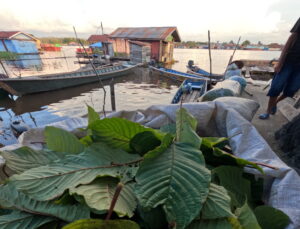
Kratom Color Variation: What Affects the Leaf Color?
Introduction
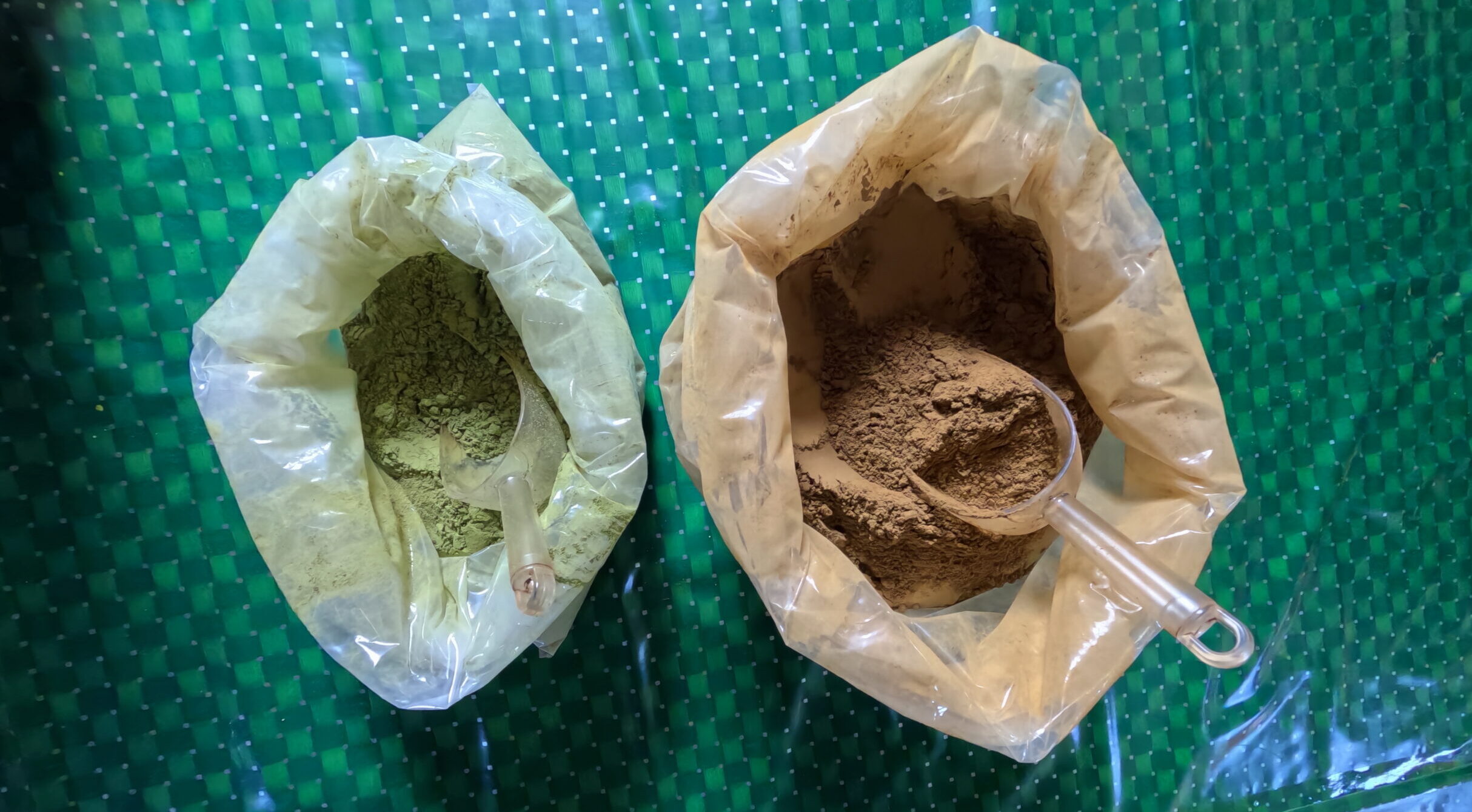
Kratom color variation, ranging from green and white to red and yellow, is not the result of different plants or special treatments. Instead, it reflects the harvest maturity, processing method, and post-harvest conditions. Understanding these factors helps buyers and researchers recognize quality and consistency in botanical kratom products.
1. Leaf Maturity at Harvest
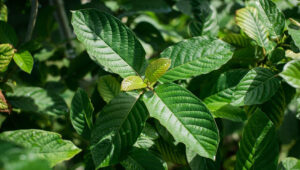
White vein leaves are harvested early in the growth cycle; they are pale and delicate.
Green vein leaves are mid-maturity: robust, green, and flexible.
Red vein leaves are fully mature and thicker—they can darken during fermentation.
The maturity stage determines the initial color and thickness of the leaf, which directly influences how it dries and oxidizes. No strain genetics involved—just timing and leaf selection.
2. Drying Method and Light Exposure
Shade Drying
Leaves are dried under ventilated covers, shielded from direct sunlight. This method preserves green tones and minimizes oxidation—resulting in powder that appears vibrant and vegetal.
Sun Drying
Leaves exposed to sunlight experience more rapid moisture loss and natural oxidation. This tends to deepen the color—producing brownish or golden tones.
Greenhouse or Indoor Drying
Sheltered environments with natural airflow provide consistent drying—balancing preservation of color with hygiene and temperature control.
3. Oxidation and Fermentation
Oxidation occurs naturally when leaves lose moisture and come into contact with air over time. Controlled fermentation (especially for red kratom) accelerates this process.
Fermentation involves bagging wet leaves for 2–7 days. This promotes internal biochemical shifts that turn the leaf color into deep red-brown or caramel brown.
Light fermentation yields softer tones.
Longer fermentation produces darker, more intense color and distinct aroma.
This process is responsible for the range of red, brown, and yellow hues found in mature kratom powder.
4. How Color Reflects Quality
Bright green kratom typically indicates minimal oxidation and careful shade drying.
Red-toned powders, when done ethically, reflect controlled fermentation and consistent handling.
Yellow tones, often achieved through deliberate oxidation (exposed drying), indicate a simpler, sun-cured process.
In each case, color consistency matters. Labs and vendors check for uniform hue, moisture content, and texture as part of quality control.
5. Implications for Buyers in Canada
Transparency: Sellers should clearly state harvest maturity and drying methods—not claim effects.
Compliance: Product must be labeled as “botanical specimen” or “not for human consumption.” No mention of health or usage.
Consistency: Batch color and appearance should align with lab testing (e.g. humidity levels, microbial count).
🧾 Summary Table: Kratom Color Variation
Color Range | Harvest Stage | Drying Method | Oxidation/Fermentation |
|---|---|---|---|
Pale to white | Early leaves | Shade or fast indoor drying | Minimal oxidation |
Bright green | Mid-mature leaves | Controlled shade drying | Low oxidation |
Red to brown | Mature leaves | Fermentation + shade drying | Controlled fermentation |
Yellow / amber | Varies (oxidation) | Sun exposure drying | Natural oxidation, no fermentation |
Final Thoughts
Color variation in kratom is best understood through the lens of harvest timing, drying practices, and oxidation control, not genetics or false marketing terms. When processed naturally in environments like Kapuas Hulu, kratom pigment accurately reflects its botanical journey, not an artificial formula.