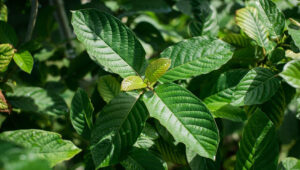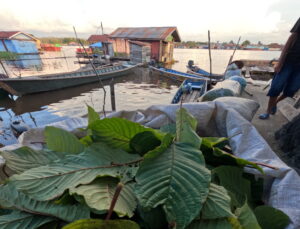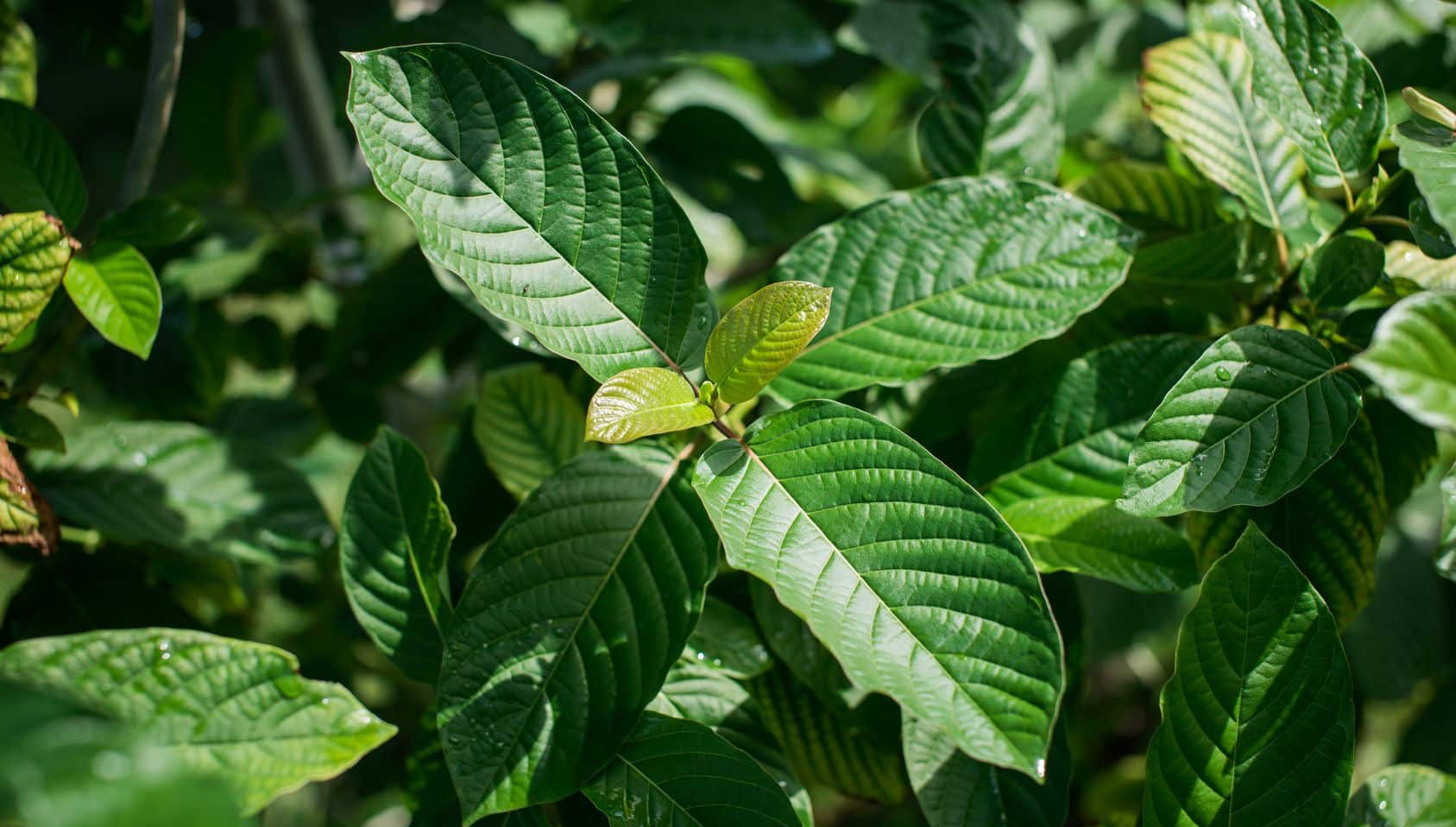
In the fascinating world of kratom (Mitragyna speciosa), colors are not mere trade names, but represent a sophisticated classification system developed over centuries by traditional growers in Southeast Asia. This color nomenclature reflects complex botanical processes, age-old processing techniques and subtle variations in effect that local communities have learned to master over generations. Understanding this color classification reveals the wealth of traditional knowledge that has been preserved and passed down through time.
The color classification of kratom has its roots in the careful observation of the ripening of Mitragyna speciosa leaves. Traditional growers developed this categorization method by studying the physiological transformations of the leaves during their life cycle, discovering that each stage of maturity corresponded to distinct alkaloid profiles.
This empirical approach, developed over several centuries, has enabled Southeast Asian communities to optimize harvesting according to the desired effects. Variations in the color of leaf veins are used as visual indicators to determine the optimum harvesting time and the appropriate processing method.
Color determining factors :
Red kratoms come from fully matured leaves, characterized by distinctive reddish veins. This natural ripening process concentrates specific alkaloids, creating a unique chemical profile sought after for its special properties.
The development of red color is the result of a complex biochemical process involving the breakdown of chlorophyll and the accumulation of anthocyanic compounds. Traditional fermentation techniques, practiced by local communities, amplify these natural transformations.
These ancestral methods include controlled fermentation processes, where the leaves are exposed to specific humidity and temperature conditions, allowing natural enzymes to modify the alkaloid composition. This traditional expertise produces varieties with distinct characteristics, preserved over generations.
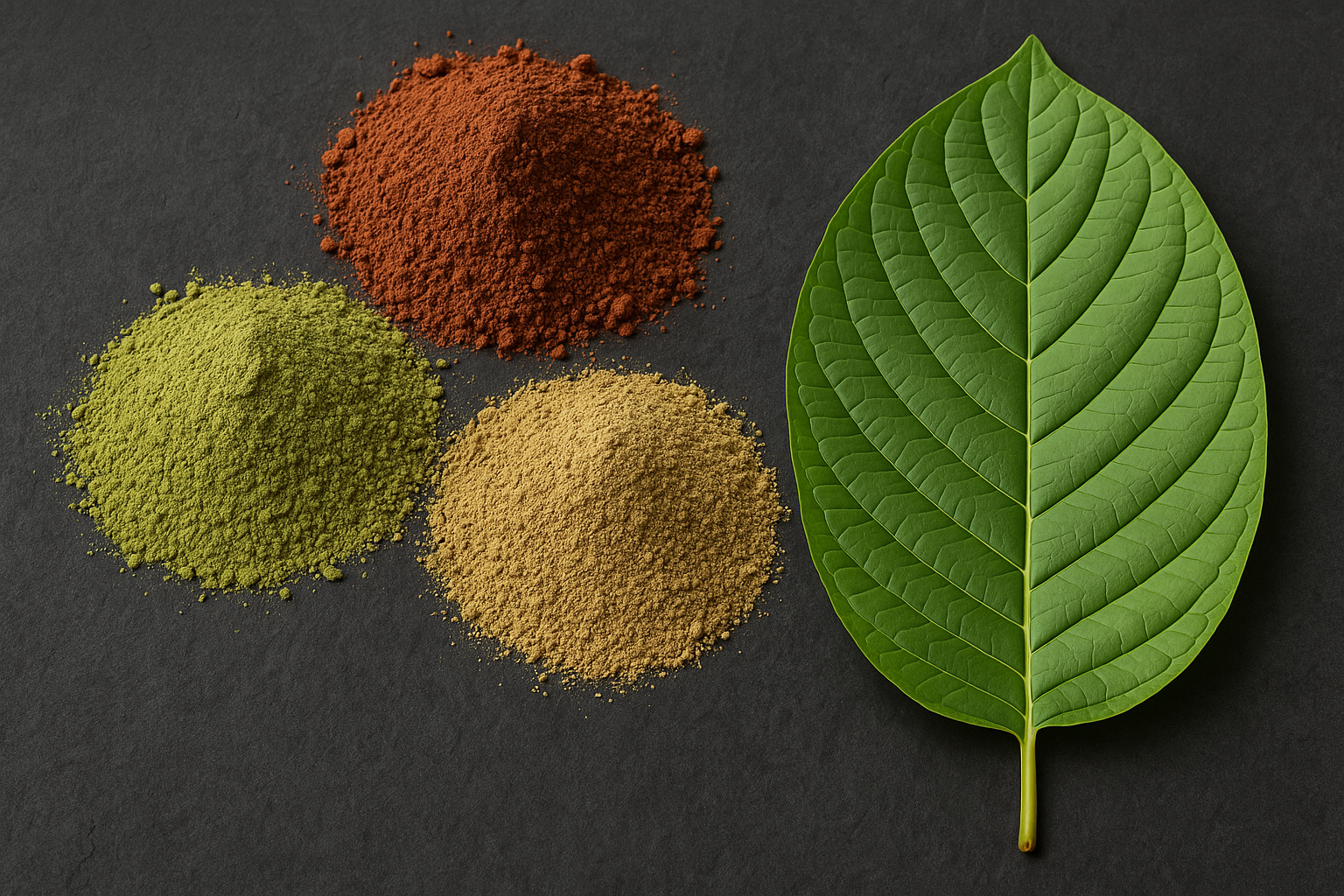
White varieties come from young leaves harvested before full maturity, when the veins still show their characteristic light color. This early harvest captures a different alkaloid profile, reflecting the active metabolism of the growing plant.
Characteristics of white sheets :
Processing methods for white varieties focus on preserving the natural state of the leaves, using quick-drying techniques developed by traditional communities to preserve the specific properties of these immature leaves.
Green kratoms represent an intermediate stage of maturity, harvested when the leaves have developed distinctive greenish veins. This transitional phase captures a unique balance between the compounds present in young leaves and those developed with maturity.
The process of developing green kratoms involves meticulously timed harvesting, based on traditional expertise in identifying the precise moment when the leaves reach this optimum stage. Processing techniques preserve this balanced composition through specialized drying and preservation methods.
The yellow and golden varieties are the result of specialized processing techniques developed in certain regions, particularly Thailand and Vietnam. These innovative methods, while respecting traditional principles, create unique profiles through controlled solar drying processes.
These techniques involve exposing the leaves to specific conditions of light and temperature, allowing the progressive degradation of chlorophyll while preserving other active compounds. This artisanal process requires considerable expertise to obtain the desired coloration and properties.
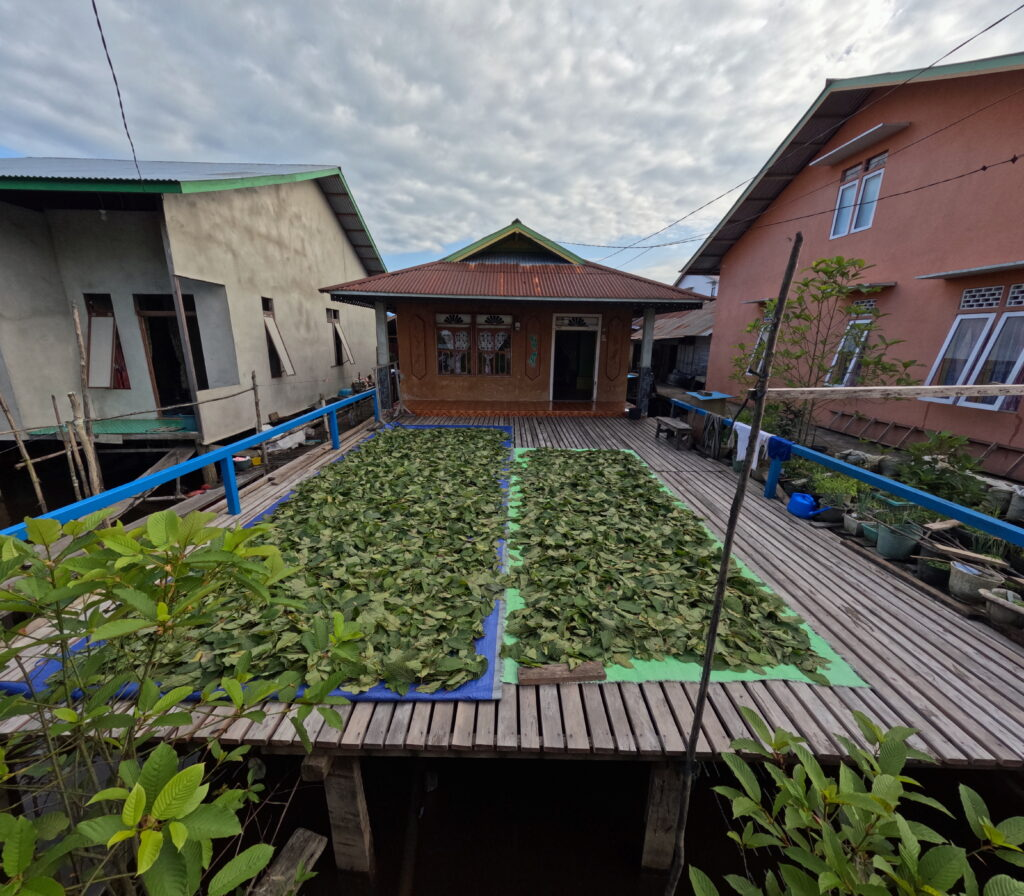
Each producing region has developed its own variations in color grading and processing techniques. Local climatic conditions, soil composition and specific cultural traditions influence production methods and the final characteristics of the different colors.
Altitude, exposure, humidity and soil mineral composition all contribute to the regional variations observed even within the same kratom color. This diversity reflects the richness of Southeast Asia’s traditional agricultural heritage.
Modern understanding of kratom colors benefits greatly from the preservation of traditional knowledge. Ancestral classification and processing techniques, passed down orally through the generations, form an invaluable empirical scientific basis.
Elements of traditional heritage :
The contemporary evolution of kratom color classification perfectly illustrates the synthesis between modern innovation and respect for ancestral traditions. Modern analysis techniques provide a scientific understanding of the empirical processes developed by traditional communities.
Now that you have all the information, order yours!
Explore the expertise of Kratom Online Canada to discover how traditional color classifications continue to inform modern standards of quality and traceability. Their respectful approach to ancestral methods, combined with contemporary analysis and quality control technologies, preserves the authenticity of these classifications while guaranteeing consistency and purity. Discover how this synthesis of tradition and modernity enriches our understanding of the colorful subtleties of kratom.

Explore our premium Kratom products, carefully selected for quality and purity.

Discover Everything You Need to Know About the Best Kratom in Canada.

You can reach us directly by email or through the contact form above.

Enjoy free shipping on all your orders, with no minimum purchase required.