Kapuas Hulu, Indonesia: The Terroir Behind High-Integrity Kratom
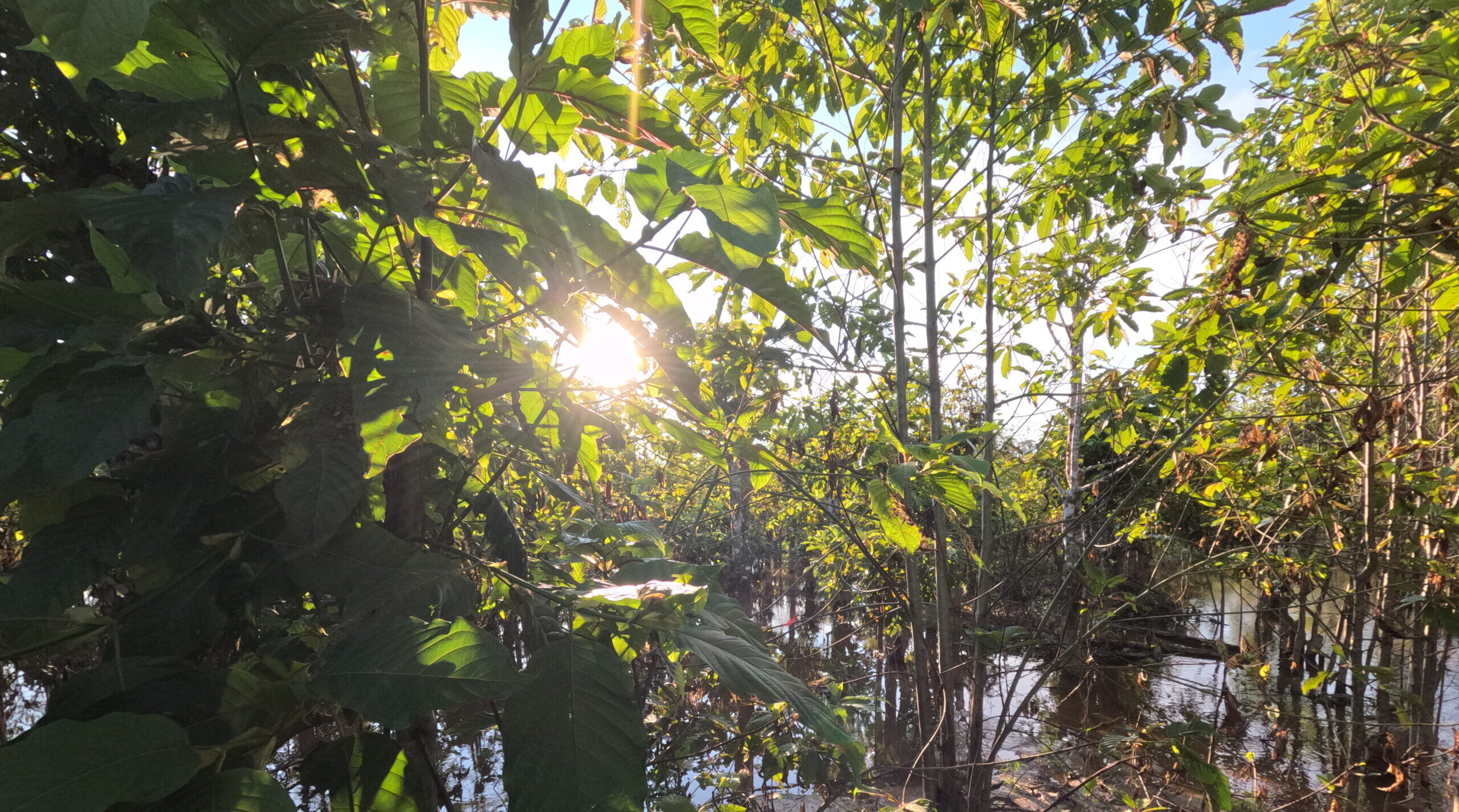
West Kalimantan kratom, sourced from the remote Kapuas Hulu region of Borneo, is renowned for quality, purity, and ethical sourcing. Far from urban centers and industrial development, this area offers ideal conditions for kratom (Mitragyna speciosa) to grow naturally in small-scale agroforestry systems.
Why Kapuas Hulu Produces Premium Kratom
Clean, Uninterrupted Environment
Kapuas Hulu is home to communities living along the Kapuas River in West Kalimantan. With no factories, mines, or large-scale farms nearby, the soil and water remain unpolluted. The region’s rivers are fed directly by rainfall and upstream forests—not industrial runoff.
Soil with Natural Richness
Seasonal flooding deposits mineral-rich sediment onto fields, creating fertile, well-draining soil. Organic matter from leaf litter and river silt supports kratom trees without chemical fertilizers. This environment produces robust leaves with consistent structure and integrity.
Climate That Supports Natural Growth
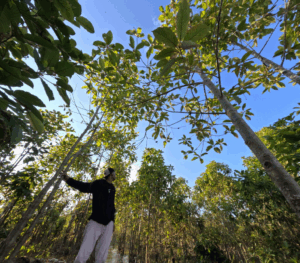
Years of stable rainfall and humidity allow kratom to mature naturally. Trees develop resilient leaves on strong roots, very different from cultivated or stressed plants in commercial settings.
A Human-Centered Production Process
Cultural Connection and Respect
Smallholder families in Kapuas Hulu treat kratom cultivation as part of the social fabric. Harvesting is always done by hand, leaf by leaf, typically from mature trees. This manual approach, guided by generations of indigenous knowledge, ensures only the best leaves are selected.
Simple and Precise Processing
Right after harvest, leaves go through either sun or greenhouse drying. If producing “Super” grades, the central stem is removed before drying to yield a finer, more consistent powder. There’s no chemical use, no additives—just natural airflow and controlled conditions.
Fermentation for Red Varieties
When creating red kratom, farmers intentionally ferment leaves in sealed bags for 2 to 7 days. This triggers natural biochemical changes, resulting in a reddish-brown tone and distinct aroma. The leaves are then shade-dried until stable and ready for milling.
Visiting the Source: A Closer Look at Kapuas Hulu
Accessing Kapuas Hulu, deep in the heart of West Kalimantan, requires a long overland and river journey from the city of Pontianak. The route to the kratom-producing villages, often including a 13-hour trip followed by small boat crossings, leads into one of the most untouched and ecologically preserved regions of Indonesia.
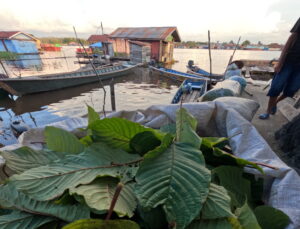
There are no hotels, paved roads, or commercial infrastructure in this part of Borneo. The villages are built along the Kapuas River, often on stilts, with wooden walkways connecting homes, gardens, and drying areas. Electricity is limited, and daily life follows the rhythm of nature.
In these communities, kratom is not just a crop, it’s an integral part of the local economy and culture. Families handle every step of production themselves: harvesting leaves by hand, drying them in front of their homes, and sorting them with care. Processing is done in clean, well-maintained sheds away from residential areas to reduce noise and maintain a peaceful environment.
The atmosphere is cooperative and respectful. Kratom is grown, prepared, and handled using practices passed down through generations. Every batch reflects this balance between traditional knowledge and natural ecology, resulting in a product that’s not just consistent in quality, but rooted in ethical, transparent production.
Production Steps: From Leaf to Powder
|
Step
|
Details
|
|
Harvest
|
Manual picking between 7 AM and 5 PM; daily yield ~50 kg fresh leaves
|
|
Leaf Selection
|
Healthy mature leaves selected; stem removal for Super grades
|
|
Drying
|
Sun–dry on tarps (1–3 days) or greenhouse; airflow protects quality
|
|
Fermentation
|
For red kratom: leaves sealed in bags 2–7 days under sunlight
|
|
Milling
|
Clean, organized river sheds; up to 200 kg powdered per day
|
|
Lab Testing
|
Heavy metals & microbial screening before export
|
|
Packaging
|
Sealed for botanical reference; labeled “not for human consumption”
|
What Makes West Kalimantan Kratom Stand Out
Purity with Integrity
No modern pollutants, no chemical residues. The simplicity of production leaves little room for contamination. When tested, the powder is remarkably clean—dry, uniform, and traceable to a known spot deep in West Kalimantan.
Ethical and Local
Every stage is handled locally. My supplier Fariz sources directly from farmers, paying fair prices. There are no middlemen or foreign conglomerates. This keeps the chain short, transparent, and mutually beneficial.
Botanical Transparency
Because the region is so well-defined, batches can be traced back to families or specific areas along the Kapuas. These details matter for wholesale accountability or regulatory compliance in markets like Canada.
Final Reflection
In a world of commercial scale and industrial shortcuts, Kapuas Hulu remains a pure exception. This is what West Kalimantan kratom truly stands for: clean land, clean water, and ethical tradition. It’s the kind of kratom that reflects not only the plant’s natural profile, but also the care of the people who harvest, dry, and process it.
As someone based in Canada, I believe it matters where your botanical reference comes from. Kapuas Hulu offers more than kratom, it delivers context, consistency, and respect, and that matters just as much as the powder itself.