In the evolving world of botanical, enthusiasts are looking beyond simple leaf colors and origins. A significant shift is occurring toward Aged Strains, varieties that undergo specialized processing to alter their natural profiles.
Strains such as Chocolate Borneo and Bentuangie have led this trend, but the aging process is now being applied to classic favorites like Red Bali and Red Thai to create a more complex botanical experience.
Unlike standard green or white varieties that are dried quickly to preserve their primary properties, aged strains go through a deliberate fermentation and oxidation phase.
This process mimics the natural decomposition that occurs in the wild, but under highly controlled conditions. By managing moisture, light exposure, and airflow, the physical and chemical structure of the leaf is transformed before it is ever ground into a fine powder.
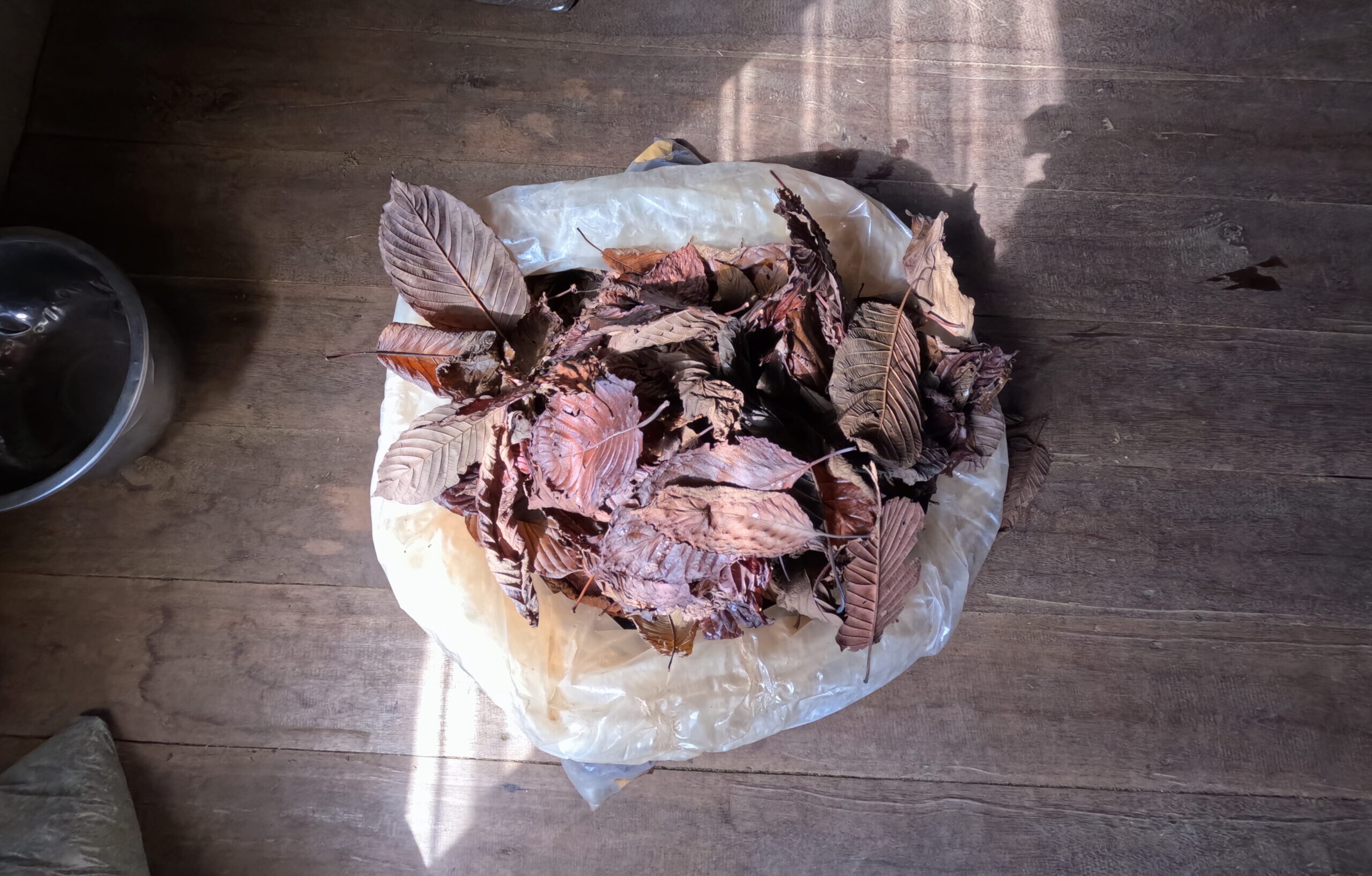
The hallmark of an aged strain is the fermentation step. Fresh leaves are often placed in specialized bags or containers where heat and moisture trigger a breakdown of the plant’s cellular walls.
Oxidation: As the leaves sit, they begin to oxidize, much like black tea. This turns the vibrant green leaves into deep hues of copper, amber, and eventually a “chocolate” brown.
Alkaloid Transformation: The primary interest in this process lies in the alkaloid profile. Scientific study suggests that the fermentation process can convert primary alkaloids into secondary metabolites. This shift changes the ratio of active compounds, resulting in a product that is chemically distinct from its “raw” counterpart.
While many are familiar with the standard versions of these staples, the Aged Red Bali and Aged Red Thai offer a different perspective:
Aged Red Bali: Through extended curing, the leaves lose their grassy notes and develop a darker, richer profile. The aging process emphasizes the structural integrity of the more stable alkaloids within the Bali leaf.
Aged Red Thai: Traditionally known for its robustness, the “Thai” profile undergoes a unique transformation when aged, resulting in a finished product that is favored by those who appreciate the results of long-form botanical processing.
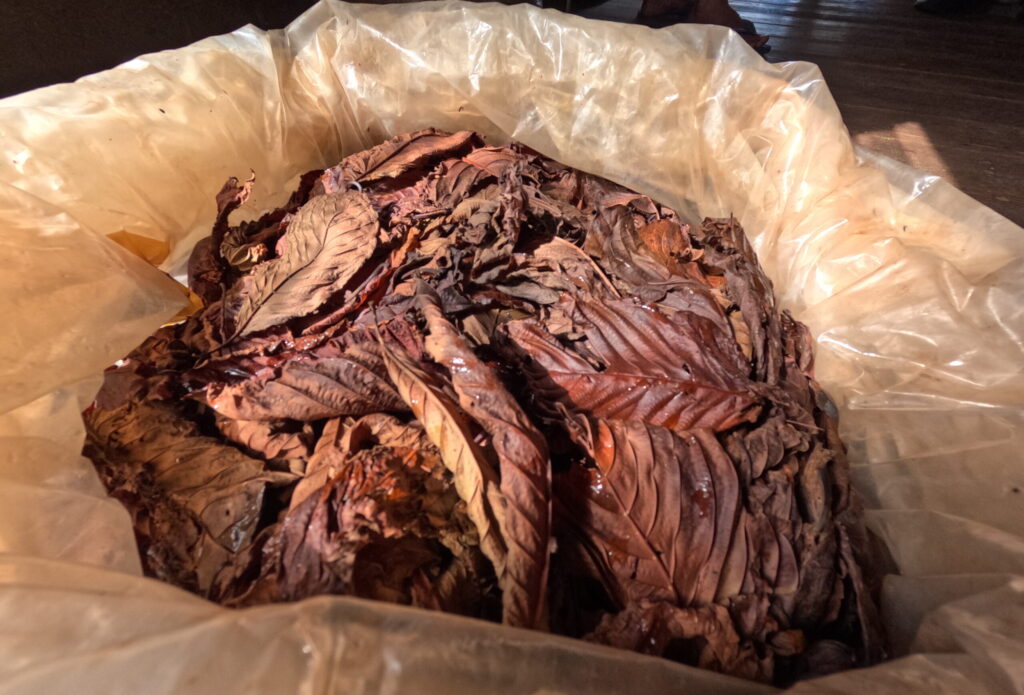
The trend toward aged strains reflects a growing sophistication in the market. Collectors are increasingly seeking out Aged Red Bali and Aged Red Thai because they offer a profile that is less “bright” and more “grounded.”
By choosing a fermented variety, you are choosing a product that has undergone a time-intensive journey from the forest floor to the final package, one defined by patience and natural chemical evolution.

Explore our premium Kratom products, carefully selected for quality and purity.

Discover Everything You Need to Know About the Best Kratom in Canada.

You can reach us directly by email or through the contact form above.

Enjoy free shipping on all your orders, with no minimum purchase required.