Super Green Maeng Da and Super Red Bali: What Makes Them ‘Super’?
Understanding Premium Processing in Kratom Production (Canada Reference Guide)
In the world of kratom, not all powders are created equal. While many consumers are familiar with names like Green Maeng Da or Red Bali, the label “Super” adds another layer of meaning—one that refers not to strength or effects, but to precision in post-harvest treatment, visual consistency, and quality control.
In this guide, we’ll explore what distinguishes Super Green Maeng Da and Super Red Bali from standard varieties. You’ll learn what “Super Strain” means in practical terms, how these products are processed, and why their clean preparation and visual quality matter—especially in Canada, where kratom must be sold as a botanical specimen and never marketed for consumption.
What Does “Super” Mean in Kratom?
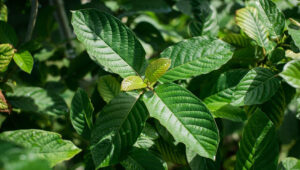
First, it’s important to clarify that “Super” does not refer to a specific plant, strain, or effect. Kratom comes from a single species—Mitragyna speciosa—and all variations result from how the leaves are selected, treated, and processedafter harvest.
In the kratom industry, “Super” generally indicates:
-
Selective leaf harvesting (larger, more intact leaves)
-
Central stem and vein removal
-
Cleaner, more refined milling
-
Better consistency in particle size and color
-
Higher standards for lab testing and cleanliness
This classification is part of a post-harvest tradition, not a botanical distinction. In other words, a “Super” strain is one that’s handled with more care and refinement, not one that comes from a different type of kratom tree.
Super Green Maeng Da – A Closer Look
Origin and Sourcing:
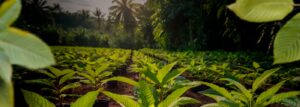
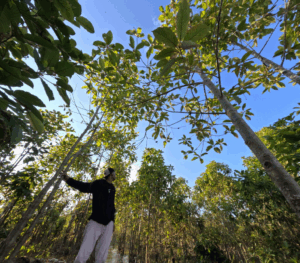
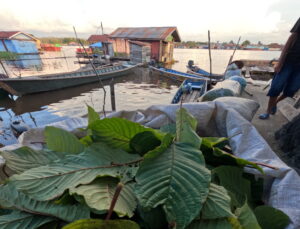
Like all kratom in Canada, Super Green Maeng Da is sourced from Indonesia, specifically West Kalimantan on the island of Borneo. This region offers the ideal conditions for mature kratom trees: consistent rainfall, river-fed alluvial soil, and humid tropical air.
Harvesting and Selection:
The “green” classification refers to the mid-maturity stage of the leaf. In Super Green Maeng Da, farmers harvest leaves that are fully developed but not yet darkened into red vein maturity. These leaves are firm, fibrous, and visually uniform.
Here’s what makes this strain “Super”:
-
Hand-selected leaves based on shape, thickness, and color
-
Central stems and veins are removed before drying
-
Leaves are dried in ventilated, shaded environments to preserve the bright green color and prevent alkaloid degradation
-
No fermentation or oxidation is used
Processing and Milling:
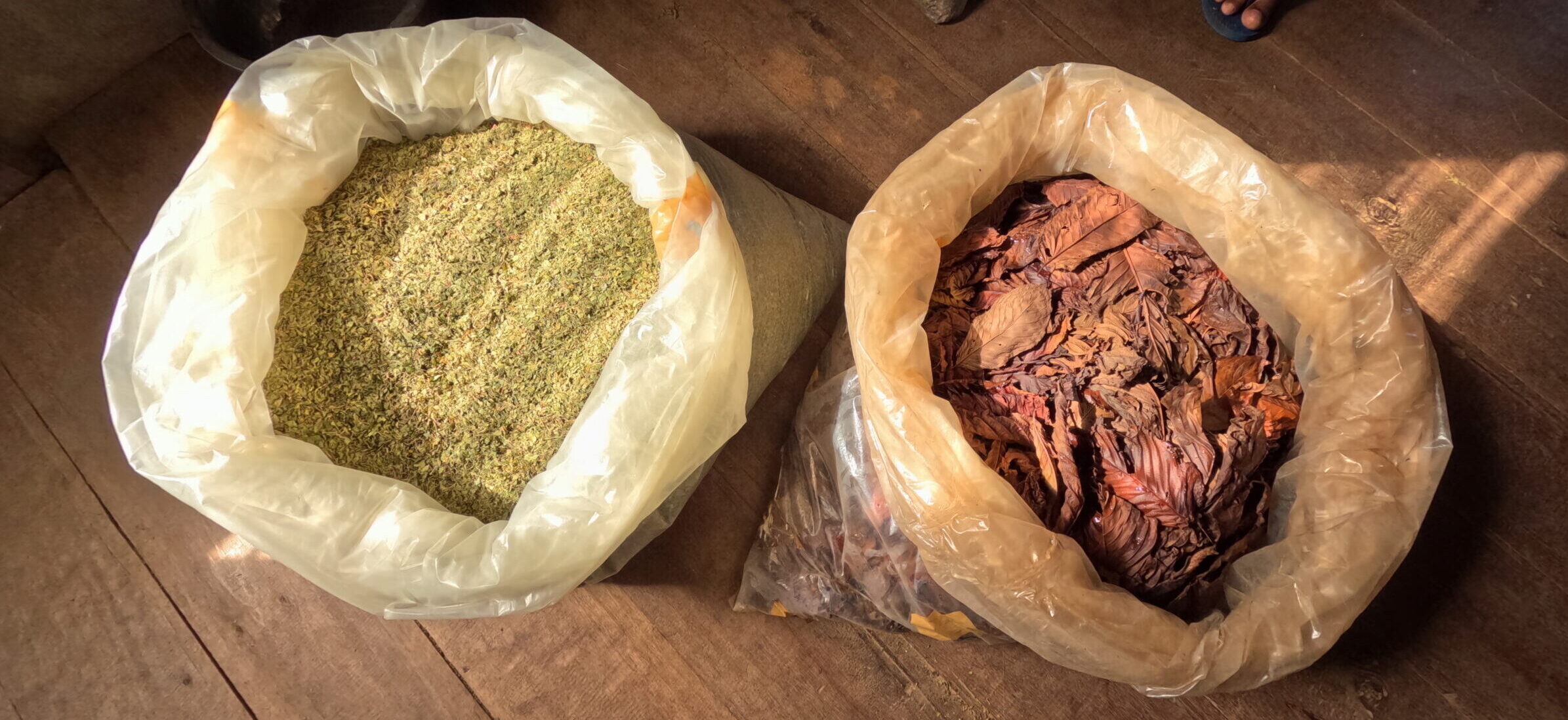
Once dried, the leaves are milled into an ultra-fine powder with minimal fiber. The absence of stem and vein material results in a smoother texture and more consistent finish. These visual and textural qualities make it a preferred option for reference, display, and analytical purposes.
Visual Profile:
-
Color: Bright to olive green
-
Texture: Silky, fine powder
-
Aroma: Light, herbal, slightly fresh
Testing & Packaging:
All batches are lab-tested for heavy metals, microbial presence, and contaminants. The product is labeled clearly as not for human consumption and is packaged according to Canadian guidelines.
Super Red Bali – A Closer Look
Origin and Sourcing:
Super Red Bali is typically produced from fully mature kratom leaves, also grown in West Kalimantan. Though the “Bali” name suggests an origin from the island of Bali, this is a naming tradition—not a statement of geography. Like Maeng Da, Bali has become a commercial label indicating a certain processing method.
Harvesting and Fermentation:
Red vein kratom is derived from leaves that are allowed to mature fully on the tree. For Super Red Bali, this process involves:
-
Selecting structurally robust leaves (thick, large, deep-colored)
-
Careful hand-sorting and stem removal
-
Controlled fermentation in sealed bags (3–7 days), during which the internal moisture and ambient heat begin a natural transformation
-
Shade drying after fermentation to complete the process slowly and preserve integrity
The fermentation process is key, it shifts the color, texture, and aroma of the leaf. It also reduces moisture content, stabilizes the powder, and gives it the deep reddish-brown appearance associated with traditional red strains.
Processing and Milling:
As a Super Strain, Red Bali receives extra attention:
-
Central stem removal before drying
-
Leaves are carefully dried and milled for even particle size
-
The result is a dense, caramel-toned powder with a rich, earthy scent
Visual Profile:
-
Color: Deep red to caramel brown
-
Texture: Dense, fine, consistent
-
Aroma: Earthy, slightly sweet, sometimes woodsy
Testing & Packaging:
As with all kratom products in Canada, Super Red Bali is lab-tested for compliance and packaged as a botanical reference product, not intended for ingestion.
Key Differences Between Standard and Super Strains
|
Feature
|
Standard Strains
|
Super Strains
|
|
Leaf Selection
|
General harvest, minimal sorting
|
Hand-selected, larger, healthier leaves
|
|
Stem/Vein Removal
|
Rare or partial
|
Full removal of stems and central veins
|
|
Drying Method
|
Often sun-dried or bulk processed
|
Shade drying with better airflow control
|
|
Fermentation (Red)
|
Inconsistent or brief
|
Controlled and timed carefully
|
|
Grind Quality
|
May contain fibrous particles
|
Fine, smooth, and uniform
|
|
Visual Consistency
|
Variable color, particle size
|
High visual and texture consistency
|
|
Testing
|
Sometimes unavailable
|
Always lab-tested for safety
|
Why Super Strains Are Popular in Canada
In the Canadian market—where kratom cannot be sold for human consumption and must be labeled for botanical purposes only—Super Strains offer several practical advantages:
1. Cleanliness
The stem and vein removal reduces plant fiber and allows for a finer finish. Combined with controlled drying, this leads to a cleaner, more stable product that is easier to analyze, store, or display.
2. Compliance
Super Strains are routinely lab-tested, making them easier to defend from a regulatory perspective. Clean lab results for heavy metals and microbes help reinforce trust and compliance with Health Canada standards.
3. Transparency
Premium kratom vendors operating in Canada use Super Strains as an opportunity to showcase traceability and good practices. Publishing lab results, detailing origin, and explaining processing steps are all easier with premium, consistent products.
4. Visual & Aromatic Consistency
In a market where no health claims can be made, factors like color, aroma, and texture become key. A well-made Super Strain offers a reliable presentation, ideal for anyone referencing kratom botanically or scientifically.
Things to Watch For (Buyer Tips)
If you’re shopping for Super Green Maeng Da or Super Red Bali in Canada, here’s what to look for:
✅ Lab Testing
Check that every batch is lab-tested for:
-
Heavy metals (lead, arsenic, mercury, cadmium)
-
Pathogens (E. coli, salmonella)
-
Mold and yeast levels
✅ Proper Labeling
All kratom products in Canada must clearly say:
✅ Origin Disclosure
Trustworthy vendors should disclose:
-
Country and region of origin (e.g., West Kalimantan, Indonesia)
-
Processing style (fermentation, drying method)
-
Harvest maturity (white, green, red)
Final Thoughts
Super Green Maeng Da and Super Red Bali stand out not because they’re stronger—but because they are carefully handled, cleanly processed, and visually consistent. In the Canadian landscape, where compliance and clarity are essential, these Super Strains represent a more reliable category of botanical kratom products.
Whether you’re sourcing for retail, collection, or research, knowing how Super Strains are made—and what they represent—can help you choose with confidence.