Red Kratom in Canada: Revealing the Truth Behind the “Red Strain”
Overview & Legal Reminder
Red kratom is widely discussed online, but contrary to popular belief, there is no distinct botanical “red strain.” All kratom comes from Mitragyna speciosa. The red label refers to leaf maturity and post-harvest treatment, not a different strain. In Canada, kratom is considered an unauthorized natural health product, so it cannot be marketed for human consumption or labeled with any therapeutic claims. Products must be clearly labeled as not for human consumption or “botanical specimen.”
🟥 What Defines “Red Kratom”?
Leaf Maturity at Harvest
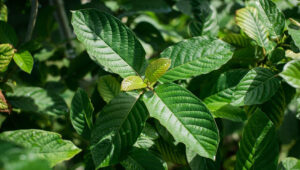
The term “red” refers to fully mature leaves, which develop red-colored vein structures as they age. These leaves are thick, fibrous, and structurally durable, ideal for traditional processing methods.
Traditional Fermentation & Drying
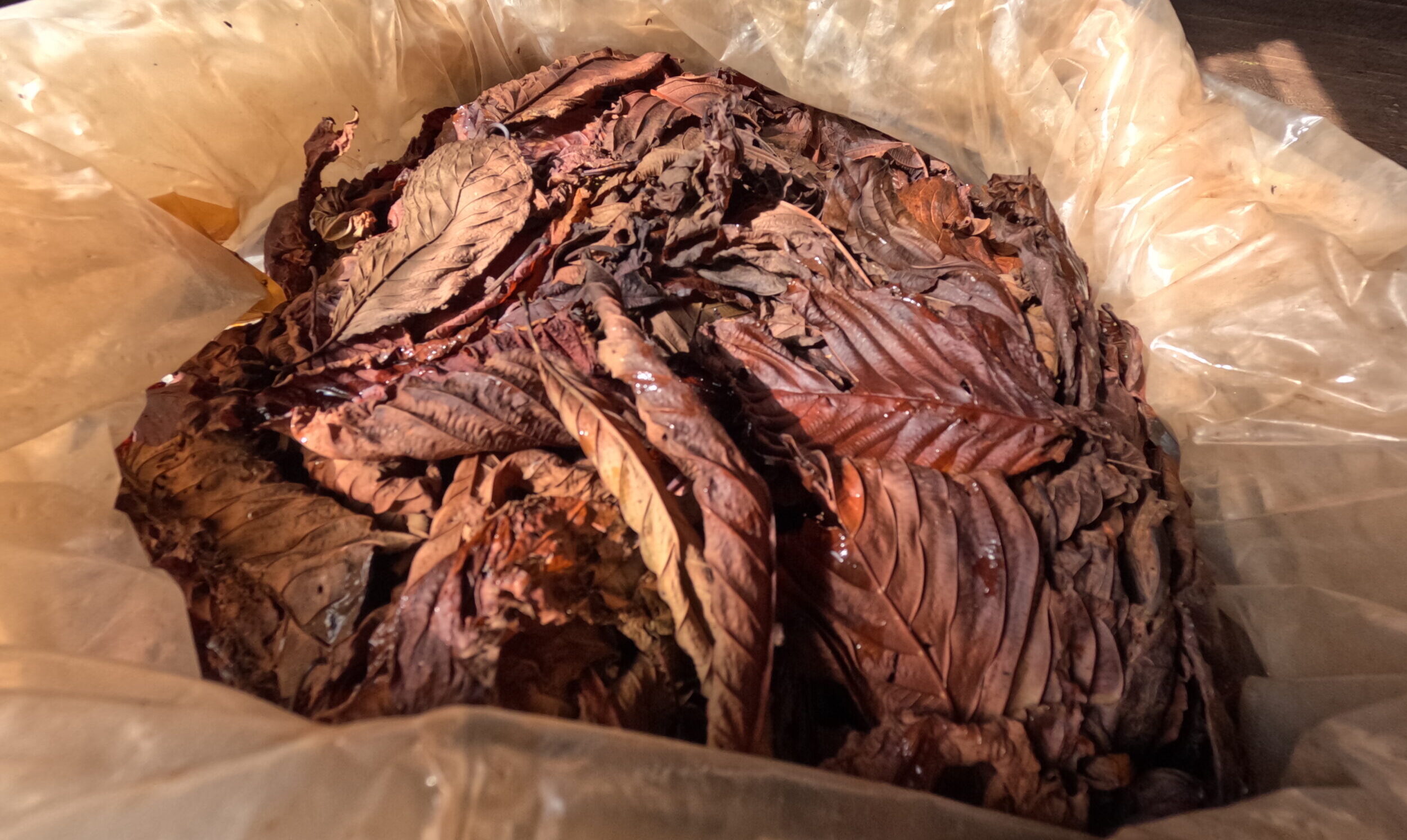
Red kratom is most commonly processed through controlled fermentation:
-
Leaves are sealed in bags for 3 to 7 days, allowing internal moisture and ambient heat to initiate natural biochemical changes.
-
This fermentation deepens leaf texture and enhances color.
After fermentation, the leaves are shade-dried, sometimes with a final sunlight touch to stabilize moisture and visual tone. This method preserves the deep reddish-brown or caramel hue associated with red kratom.
Why There Is No “Red Strain”
|
Misconception
|
Reality
|
|
Red kratom is a different plant
|
All kratom is Mitragyna speciosa
|
|
Color indicates a separate genetic variety
|
Color reflects leaf maturity and processing
|
|
Red varieties are inherently stronger
|
Strength depends on alkaloid ratios, not color
|
The term “red strain” is a convention used by vendors, not a scientific classification.
Red Bali – Super Strain vs Standard
Standard Red Bali
-
Made from fully mature leaves processed with fermentation and then dried.
-
Color ranges from deep red to caramel.
-
Texture may contain visible veining or fibrous bits depending on milling.
Super Red Bali
-
Selective leaf harvesting and stem removal before drying.
-
Controlled fermentation and precise shade-drying.
-
Finely milled, visually consistent powder (no large particles).
-
Lab-tested thoroughly for heavy metals, microbial presence, and contaminants.
In Canada, premium vendors rely on Super Red Bali labeling to communicate processing quality and compliance integrity.
Visual & Aromatic Profile
-
Color: Reddish-brown to dark caramel
-
Texture: Fine, consistent, minimal fiber
-
Aroma: Rich, earthy, slightly sweet or woodsy
These sensory features matter in botanical contexts, especially since no health claims can be made in product marketing.
Why This Matters in the Canadian Market
Quality & Compliance
-
Canadian law prohibits ingestion claims: any suggestion of therapeutic value is disallowed.
-
Labels must say “not for human consumption” or “botanical specimen.”
-
Lab testing is required for each batch to confirm purity.
Transparency
-
Vendors who detail fermentation methods, origin, and leaf maturity reinforce trust and compliance.
-
Lack of clarity can result in enforcement or delisting.
Buyer’s Guide: What to Look For
✅ Lab-Testing & CoA
Ensure every batch is tested for:
-
Heavy metals (lead, arsenic, mercury)
-
Microbial contaminants (E. coli, Salmonella)
-
Adulterants
✅ Proper Labeling
Look for clear statements like:
Avoid products labeled with any mention of dosage, therapeutic benefits, or usage.
✅ Processing Transparency
-
Origin (e.g. West Kalimantan, Indonesia)
-
Fermentation period
-
Drying procedure (shade vs sun)
-
Harvest maturity (red vein leaves)
✅ Grinding & Chamfer
Premium variants (Super Strains) typically remove stems/veins, resulting in consistent texture and color.
Mini Comparison Table
|
Feature
|
Standard Red Kratom
|
Super Red Bali
|
|
Leaf Harvest
|
Mature leaves
|
Hand-selected mature leaves
|
|
Fermentation
|
Variable or minimal
|
Controlled 3–7 day sealed process
|
|
Stem and Vein
|
Partial retention
|
Fully removed before milling
|
|
Drying Method
|
Shade or sun
|
Shade, controlled airflow environment
|
|
Texture
|
Fibrous, inconsistent
|
Ultra-fine, smooth, uniform
|
|
Lab Testing
|
Sometimes unavailable
|
Required for Canadian compliance
|
|
Labeling
|
May misuse words
|
Clearly stated “not for consumption”
|
How Red Kratom Emerged as a Category
-
Fermentation was adopted historically to darken and preserve mature leaves.
-
As demand grew in Western markets, vendors used visual differentiation (red vs green) as naming shorthand.
-
Over time, “red kratom” became marketing language rather than a botanical fact.
Final Thoughts
-
There is no separate red strain—the classification is based on leaf maturity and post-harvest treatment, not a genetic difference.
-
Labels like Red Bali or Red Thai describe processing and visual traits, not distinct plant species.
-
In Canada, where legal compliance is essential, consistent fermentation, lab testing, and transparent origin details are critical.
-
By publishing an accurate explanation, your site can rank highly for “red kratom Canada” and become the go-to resource in the industry.