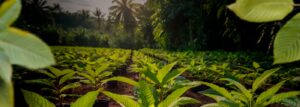
The Canadian climate presents unique challenges for the conservation of kratom botanical specimens. Between temperature, humidity and seasonal variations, a professional approach ensures the long-term integrity of products destined for research and botanical collections.
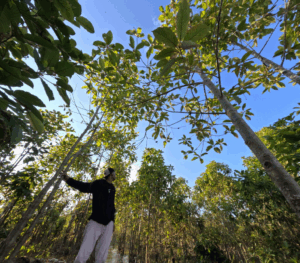
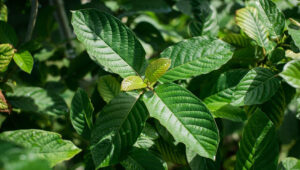
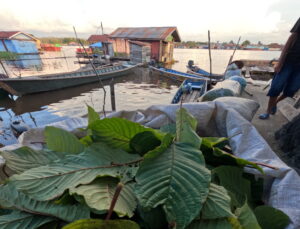
Kratom (Mitragyna speciosa), native to the tropical forests of Southeast Asia, is attracting growing interest in Canada for botanical research and scientific collections. However, Canadian climatic conditions – harsh winters, dry air and wide temperature variations – pose major challenges to the optimal conservation of these specimens. How can the structural integrity and stability of alkaloids be maintained in an environment so far removed from their natural habitat? Understanding the principles of conservation adapted to the Canadian climate is essential to ensure the longevity of these delicate specimens.
Kratom requires precise environmental parameters to maintain its integrity:
These criteria, when met, can extend the shelf life of kratom specimens to 12 months or more. Experts understand that these conditions represent a real technical challenge in the Canadian context.
Canadian winter conditions create a hostile environment for tropical botanical specimens. Indoor heating systems drastically reduce ambient humidity, sometimes by as much as 20-30%, while freezing outdoor temperatures can compromise the integrity of shipments. This reality calls for special expertise in botanical conservation adapted to local realities.
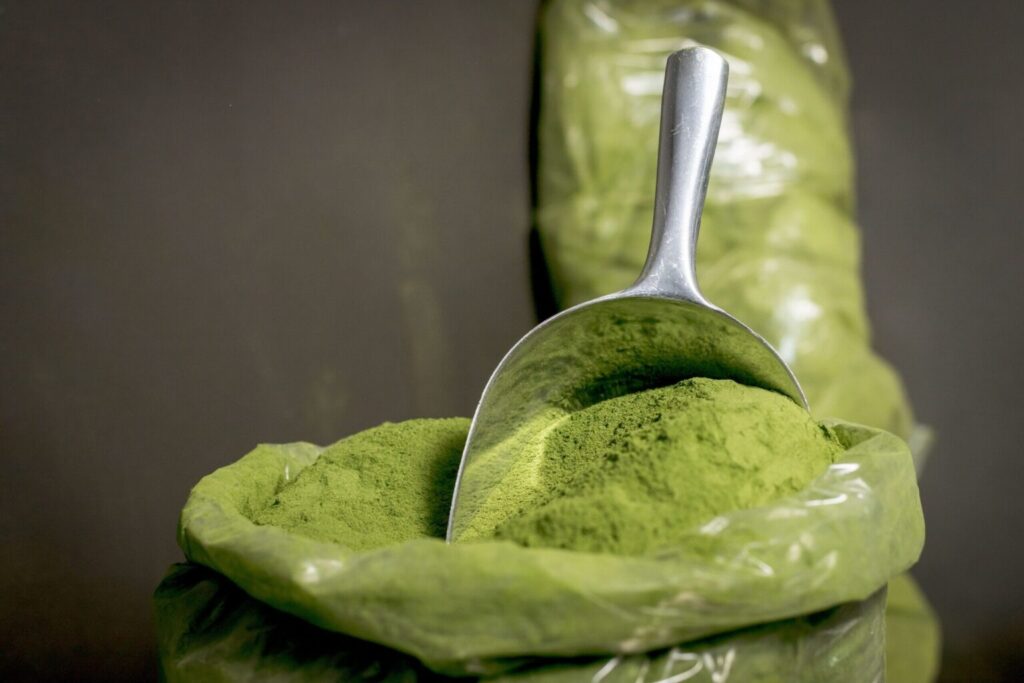
Quebec and the other Canadian provinces experience considerable temperature variations between summer and winter. Canadian winters produce extremely dry, heated air, accelerating excessive desiccation of specimens. The Canadian summer combines high temperatures and increased humidity, favoring alkaloid oxidation and degradation. Without proper climate control, specimens can lose up to 30% of their research potential in just a few months.
Companies and research institutions frequently make these critical mistakes:
These failings can permanently compromise the quality of specimens destined for scientific research or institutional botanical collections.
Professional conservation is based on three fundamental pillars:
Thermal management: maintain a stable temperature between 15°C and 20°C in a dedicated space, ideally equipped with a reversible air-conditioning system. The use of digital thermometers with data logging enables precise monitoring of variations.
Hygrometric control: Calibrated hygrometers and food-grade desiccant sachets (silica gel) guarantee constant relative humidity. For larger collections, a programmable dehumidifier becomes indispensable during the wet months.
Light protection: Storage in opaque containers (amber glass, opaque food-grade plastic) or in closed cabinets eliminates exposure to UV light, the main cause of alkaloid photodegradation.
Type of need | Recommended solution | Shelf life |
Personal collection | Amber glass jars + desiccant sachets | 6-12 months |
Institutional research | Dedicated air-conditioned room | 12-24 months |
Commercial distribution | Climate-controlled warehouse + vacuum packaging | 18-36 months |
Our expertise enables us to advise companies and institutions on best practices according to their volume and conservation objectives.
A rigorous documentation protocol includes :
This traceability, which complies with Health Canada standards for botanical products, guarantees the quality and safety of preserved specimens.
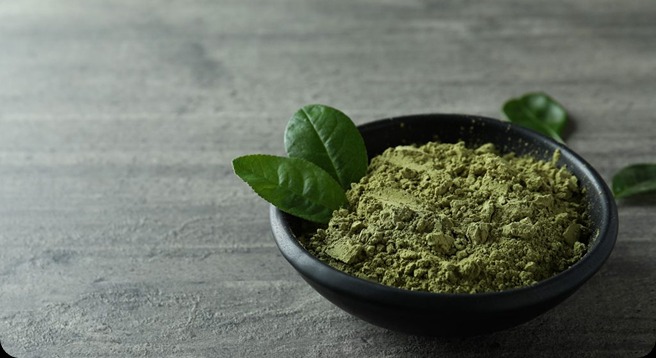
The botanical industry is gradually adopting advanced technologies: integrated humidity indicators that change color in the event of compromise, vacuum sealing to eliminate oxygen, and IoT sensors transmitting temperature and humidity in real time. These innovations significantly reduce losses linked to inadequate preservation.
Specialized companies develop specific protocols for the Canadian market, taking into account unique seasonal challenges. This localized approach ensures that specimens maintained in Canada meet the same quality standards as those kept in the tropical regions of origin.
Optimum conservation of botanical specimens such as kratom requires in-depth knowledge of plant chemistry, Canadian regulations and industry best practices. Professionals in the sector invest in appropriate storage infrastructures, regular laboratory analysis and constant regulatory monitoring.
Inadequate storage leads to significant losses: alkaloid degradation, microbial contamination, or complete deterioration of specimens. Using experienced suppliers who have mastered kratom preservation eliminates these risks and guarantees qualitative consistency.
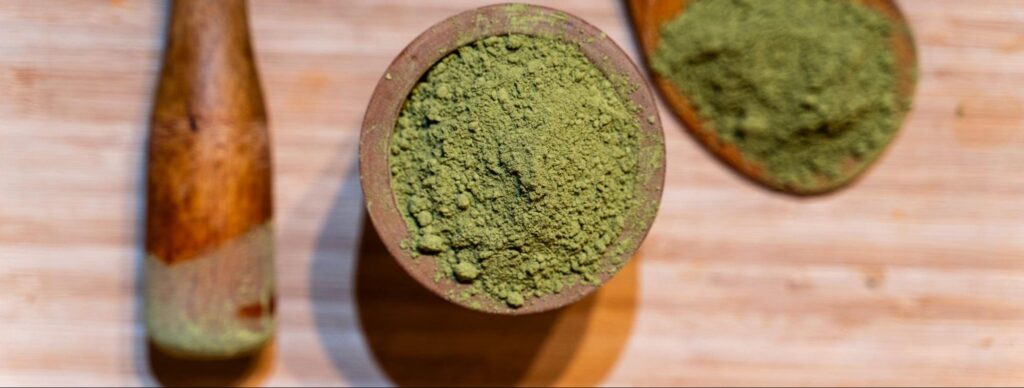
Preserving kratom specimens in the Canadian climate requires more than just storing them in a closet. The challenges posed by harsh winters, dry air and seasonal variations require a methodical approach based on environmental control, traceability and technical expertise.
By relying on professionals who understand the specifics of the Canadian climate and the botanical requirements of Mitragyna speciosa, you can guarantee the integrity of your specimens for your research projects or long-term collections. Investing in proper conservation practices translates into substantial savings and peace of mind.
Would you like to optimize the conservation of your kratom specimens in the face of Canada’s challenging climate? Our team has the technical expertise and infrastructure to support you. Whether you’re a research institution, a commercial distributor or a serious collector, we can advise you on the best practices for your needs.
Contact us today to discuss your botanical conservation requirements and find out how we can help you maintain the integrity of your specimens over time.

Explore our premium Kratom products, carefully selected for quality and purity.

Discover Everything You Need to Know About the Best Kratom in Canada.

You can reach us directly by email or through the contact form above.

Enjoy free shipping on all your orders, with no minimum purchase required.