Kratom vs Kava Canada: Botanical Origins, Processing & Sensory Comparison
As botanical substances commonly discussed in Canada, kratom and kava each come from different parts of the world and traditional practices. This guide clarifies how kratom vs kava Canada differ, focusing on their botanical lineage, processing methods, visual and sensory characteristics, and cultural roots, all while adhering to Canadian compliance regulations around botanical specimens.
Botanical Origins
Kratom (Mitragyna speciosa):
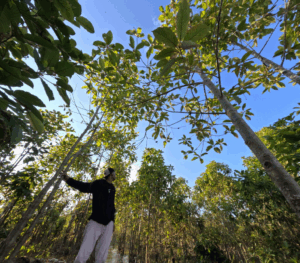
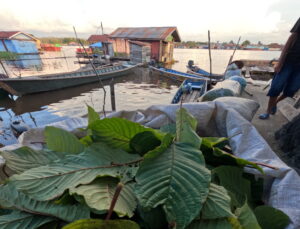
Kratom is native to Southeast Asia, where it grows naturally across several tropical regions including Indonesia, Thailand, Malaysia, Myanmar, and parts of Papua New Guinea. While West Kalimantan, especially remote areas like Kapuas Hulu, is a key hub for ethically sourced kratom, it’s far from the only one.
In Indonesia, the plant thrives along the flood-enriched banks of the Kapuas River, but also in other provinces such as Central Kalimantan, East Kalimantan, and parts of Sumatra. Each sub-region provides distinct terroir, ranging from mineral-rich volcanic soil to densely forested agroforestry zones.
In Thailand, where kratom cultivation was reauthorized in 2021, renewed interest has spurred responsible farming in southern and northeastern provinces, under longstanding cultural practices. These local efforts often favour semi-wild growth or smallholder harvesting, aligning with traditional environmental cycles.
This regional diversity shapes everything from leaf appearance to harvest scheduling, giving each source a unique botanical profile—without relying on industrial input or chemical enhancement.
Kava (Piper methysticum):
Kava originates in the Pacific Islands, particularly Vanuatu, Fiji, Tonga, and parts of Micronesia. Unlike kratom, kava is cultivated for its root structure, often in volcanic or coastal soils. Farming is typically handled by multi-generational family units, with harvests occurring every 3 to 5 years, depending on local tradition and soil maturity.
These roots are often processed in artisanal ways, cleaned and dried with care before being exported as a botanical or cultural product.
Cultivation & Harvesting
Kratom from West Kalimantan:
-
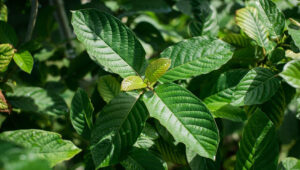
Harvested leaf-by-leaf; maturity stages (white, green, red vein) determine processing path.
-
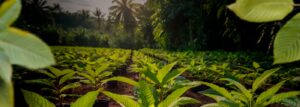
No chemical inputs or fertilization—just flooding sediment soil along the Kapuas River yields nutrient-rich vineyards.
Kava in Pacific Islands:
-
Focused on root harvest, typically every 3–5 years.
-
Plants grown in volcanic or coastal soils without major industrial influence.
-
Entire root clusters are cleaned and prepared, often for ceremonial or botanical export.
Post-Harvest Processing
Kratom Processing:
-
Drying:
-
Shade drying preserves green tones and chlorophyll.
-
Sun drying induces natural oxidation for yellow or gold variants.
-
Controlled fermentation (2–7 days) produces red phenotypes.
-
Milling:
-
“Super” styles remove veins and stems, yielding ultra-fine powder.
-
Some regional producers still use coarser, traditional mills for rustic varieties.
Kava Processing:
-
Roots are sun-dried, sometimes sliced or grated first.
-
Once dried, roots are ground into uniform powder, often left tender or fibrous depending on final use.
-
Root aromatics: earthy, dry, and subtly nutty, without leaf complexity.
Visual & Sensory Profile
Kratom:
-
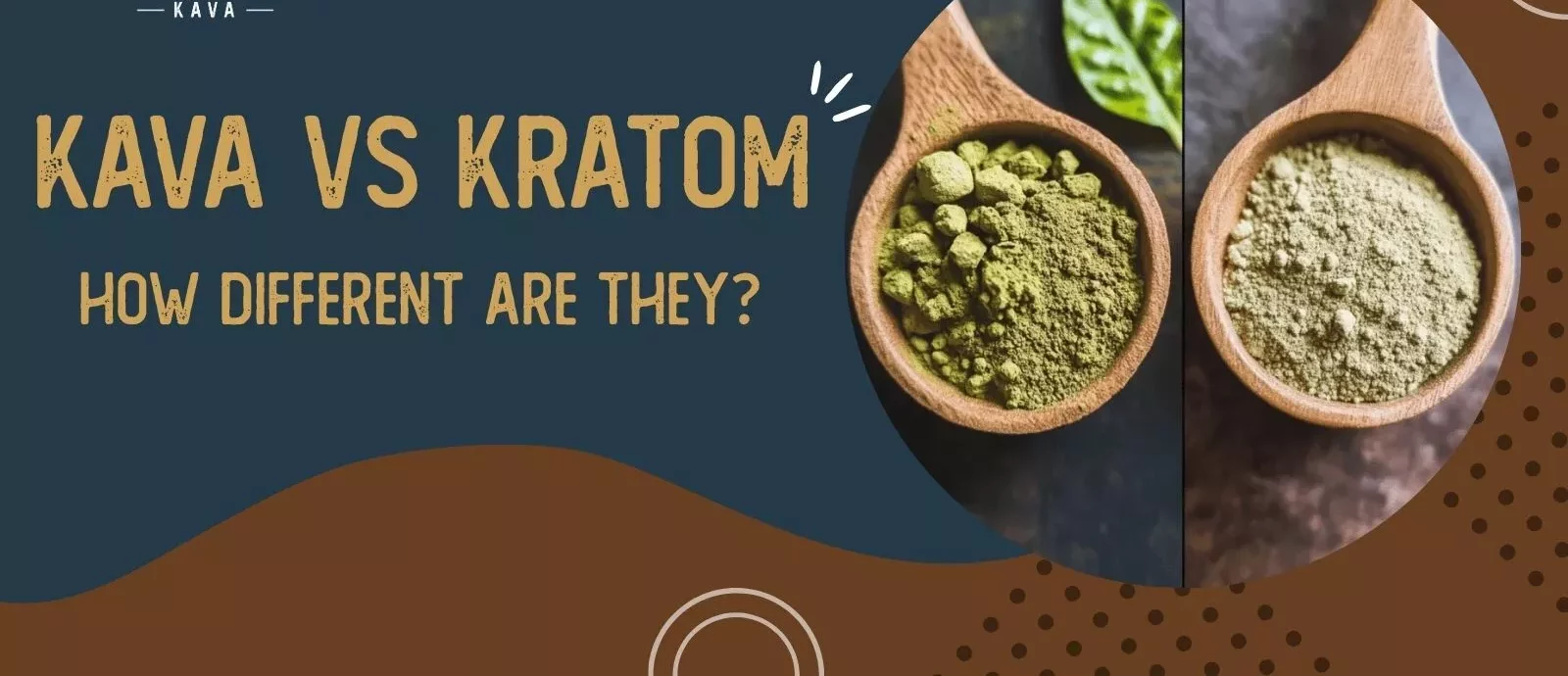
Color Range: Bright green to deep olive for green vines; golden to caramel for yellow/gold varieties; deep red-brown for fermented red styles.
-
Texture: Smoother and finer in refined strains; slightly coarse or fibrous in more traditional or village-processed powders.
-
Aroma: Herbal grassiness, faint hay notes, sun-warmed earth—no added scent.
Kava:
-
Color Range: Light beige to sandy-brown, depending on root variety and drying method.
-
Texture: Generally coarse or slightly fibrous, resembling powdered root material.
-
Aroma: Dry, starchy, with light vegetal or coconut undertones—clean and neutral.
Traditional & Cultural Context
-
Kratom has been used historically in Borneo communities, leaves harvested and processed manually, dividing tasks across families and relying on agroforestry traditions.
-
Kava holds ceremonial importance in Pacific regions, where root is prepared communally and consumption rituals underscore the plant’s cultural role.
Compliance & Canadian Botanical Laws
-
Kratom vs Kava Canada must both be labeled strictly as botanical specimens or not for human consumption.
-
No claims about ingestion, therapeutic usage, or dosage are allowed.
-
Vendors must:
-
Retrieve and display Certificates of Analysis (CoA) per batch (testing for microbes, metals, moisture).
-
Use neutral product names: e.g., “Green Malay Kratom Powder”, “Micronesian Kava Root Powder.”
-
Maintain transparency in origin and processing information.
Kratom Online ensures each product—including both kratom and kava—is traceable, lab-tested, and compliant.
Side-by-Side Comparison
|
Feature
|
Kratom (Indonesia)
|
Kava (Micronesia, Polynesia)
|
|
Primary Part Used
|
Mature leaf
|
Root
|
|
Main Processing Styles
|
Sun/shade drying, fermentation, milling
|
Sun drying and root grinding
|
|
Common Color Range
|
Green, red-brown, gold/yellow
|
Beige to sandy brown
|
|
Typical Texture
|
From fine (Super) to lightly fibrous
|
Coarse, sometimes fibrous
|
|
Aroma Characteristics
|
Herbal grass, subtle earthy notes
|
Dry starch, faint vegetal/nutty notes
|
|
Harvest & Cultural Role
|
Community village harvest in agroforestry
|
Root harvest from family farms for ceremonial use
|
Final Thoughts from Kratom Online
At Kratom Online, our goal is to present botanical clarity, not marketing claims. Whether sourcing West Kalimantan kratom or Pacific kava, our focus is on clean, transparent production and quality that reflects traditional craft.
When comparing kratom vs kava Canada, consider botanical identity over speculation. Their differences lie in origins, plant parts, drying processes, and cultural heritage, not in effects.
For customers seeking informed choice, we offer full traceability, testing data, and clear descriptions, because clarity matters.